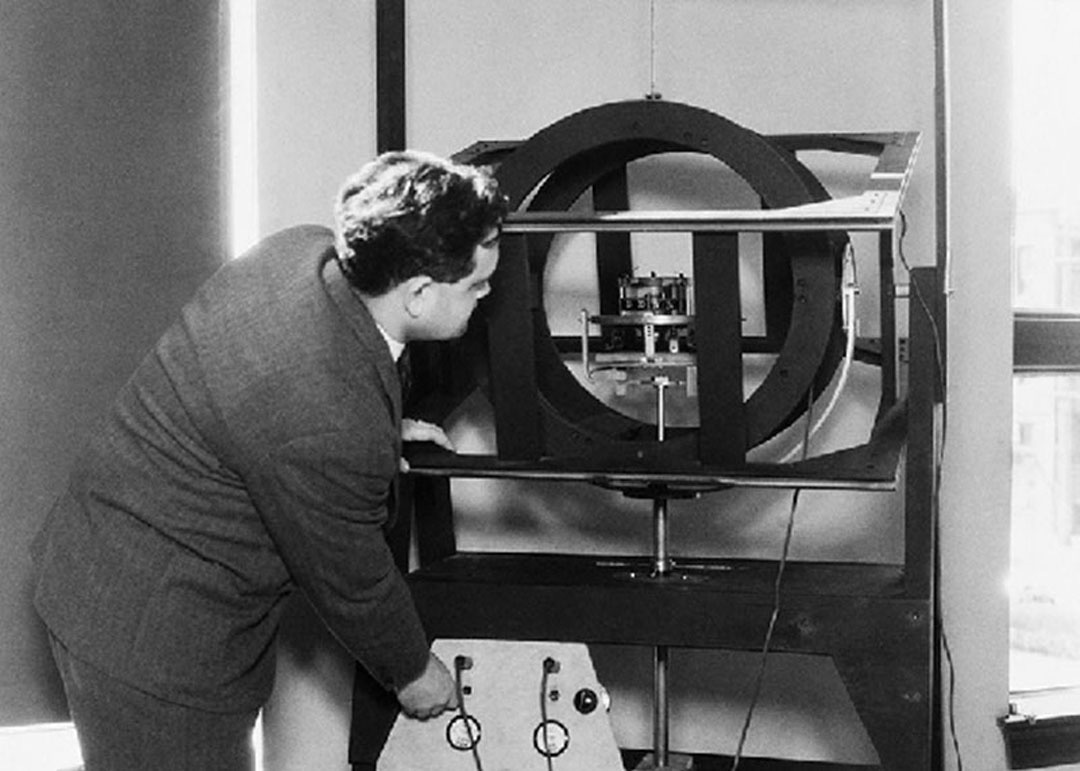
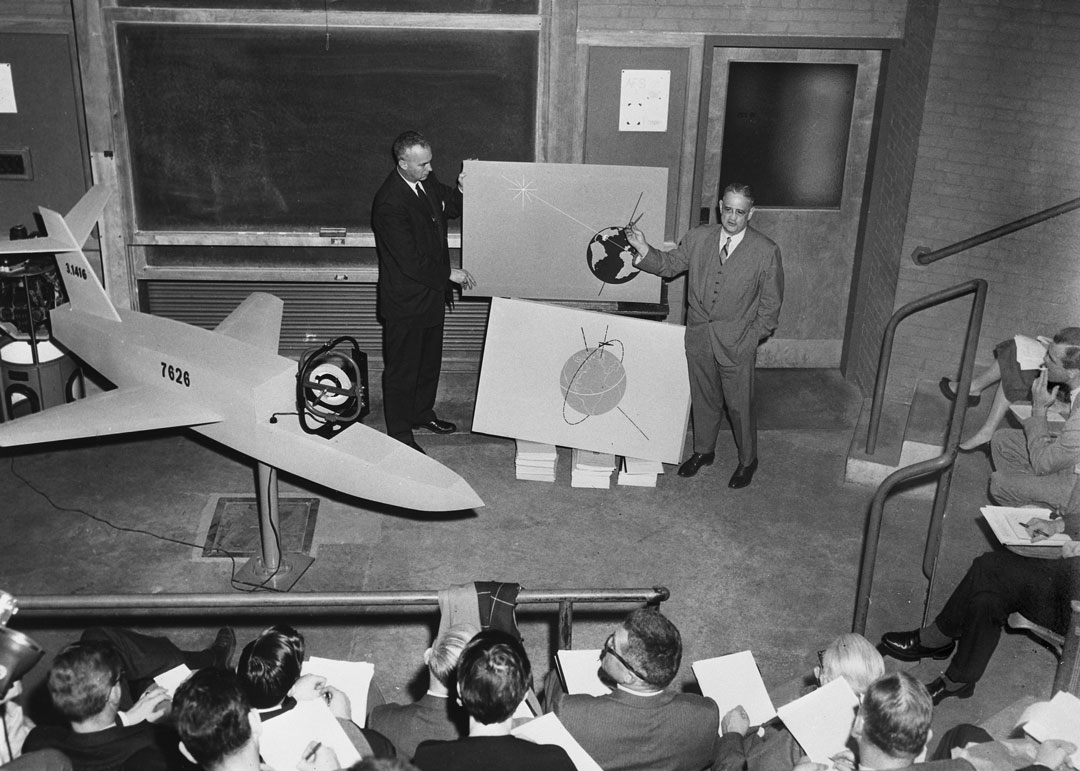
The Lab’s Mark 14 Gunsight first was used by anti-aircraft gunners aboard the USS North Carolina during the battle of Stewart Island. It was the first of Draper’s designs that used the “disturbed-line-of-sight” principle.
The Laboratory began to work actively on the A-1 aircraft gun-bomb rocket sight. Ultimately, it became the A-4 gunsight used in the Korean War on F-86 Day Fighters.
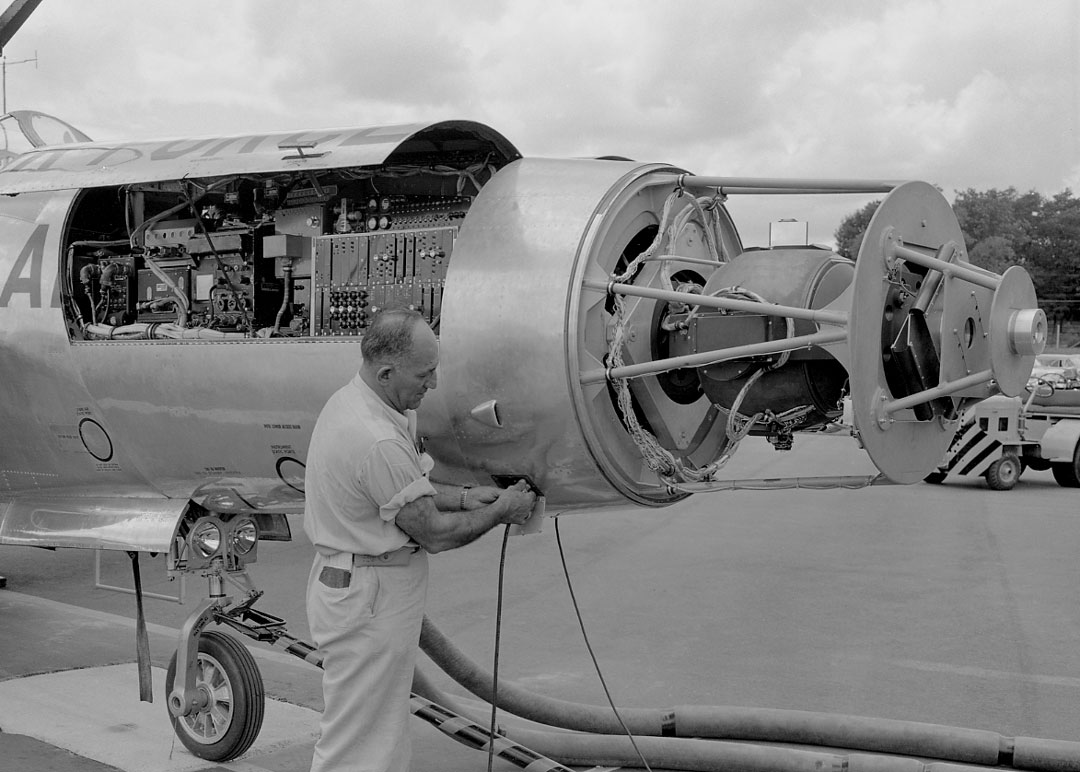
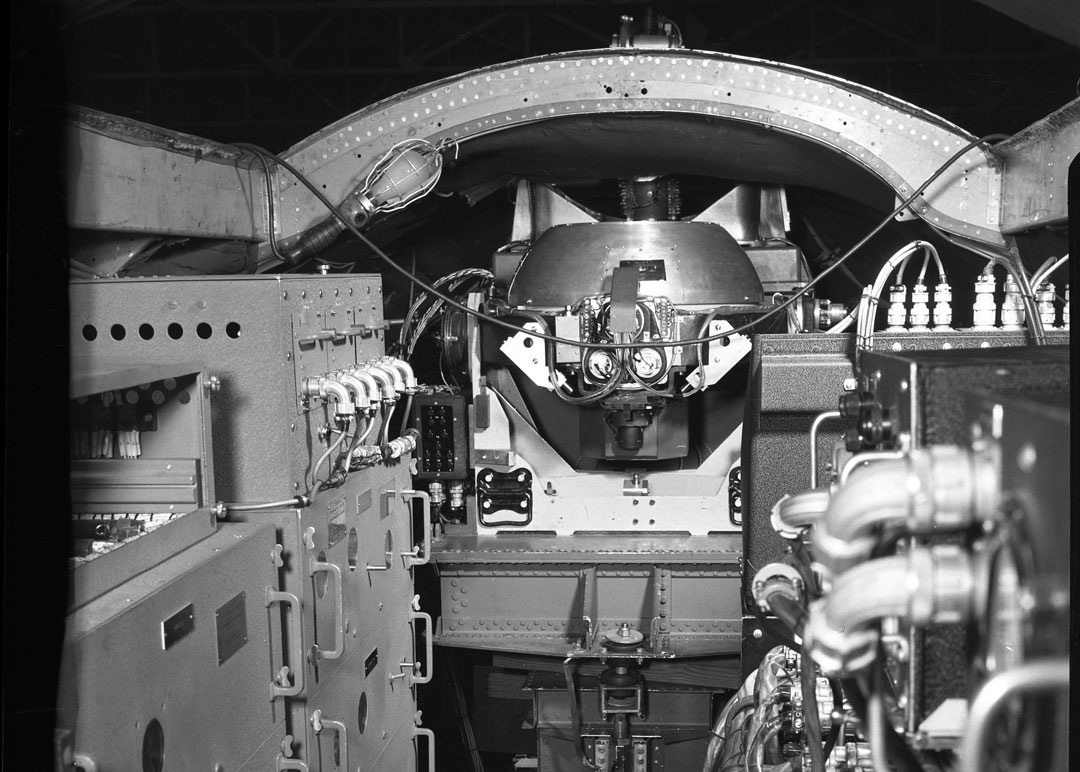
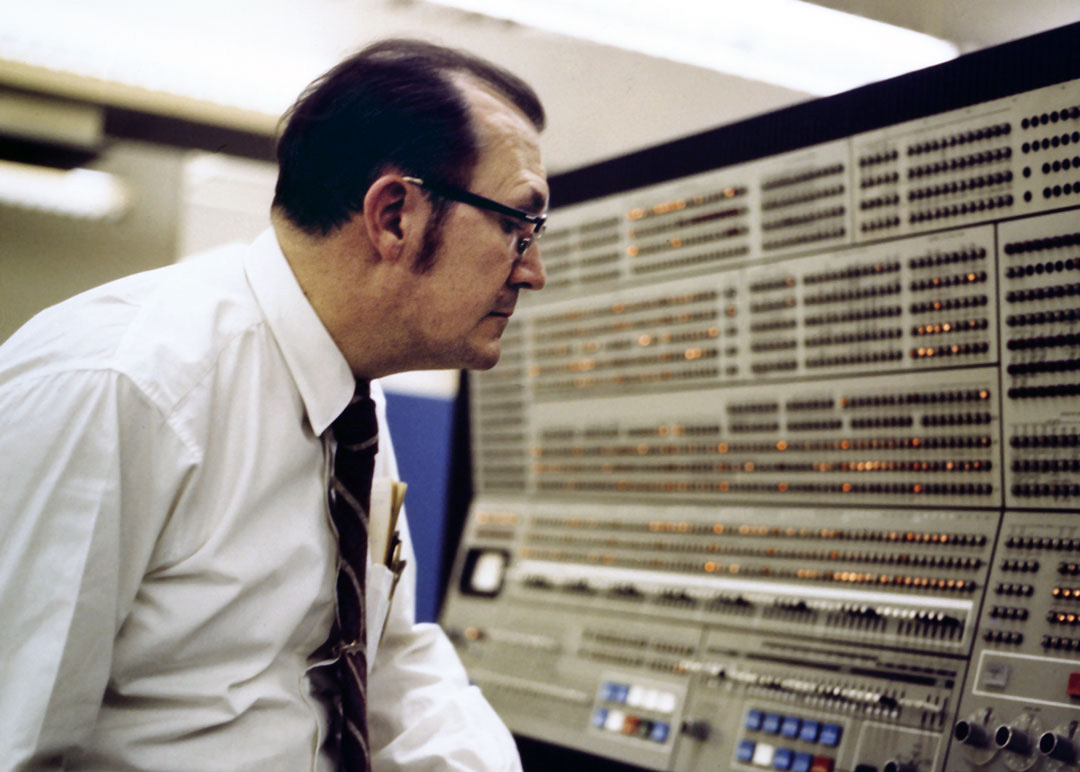
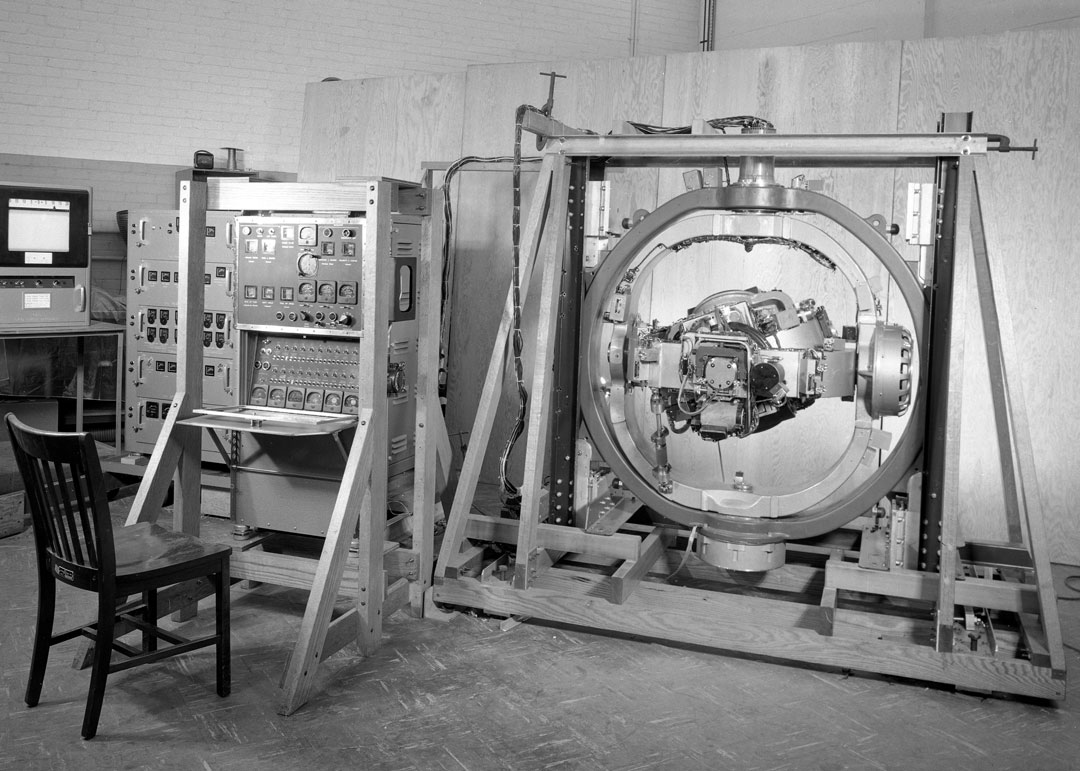
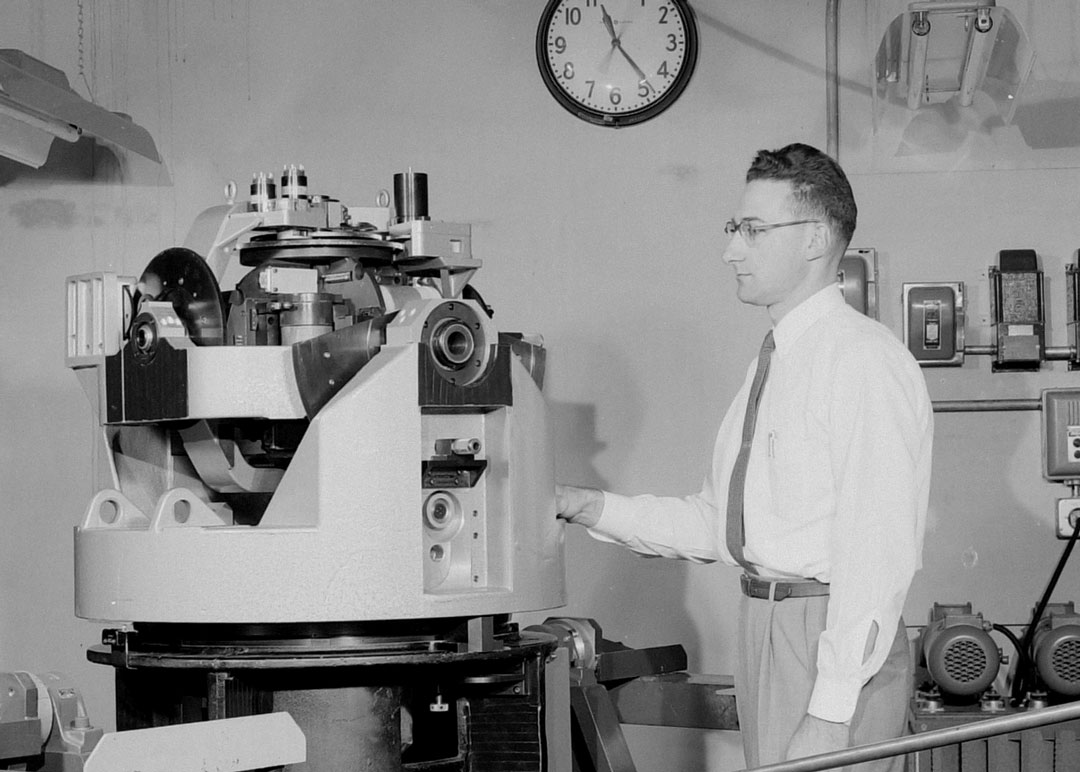
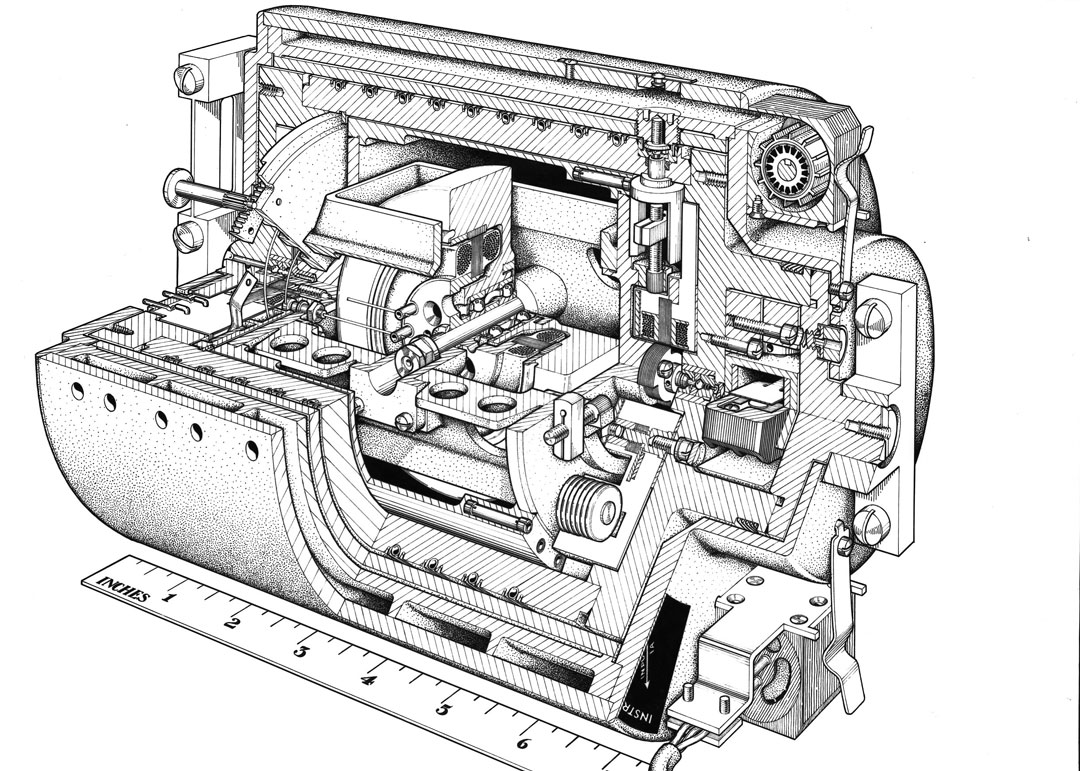
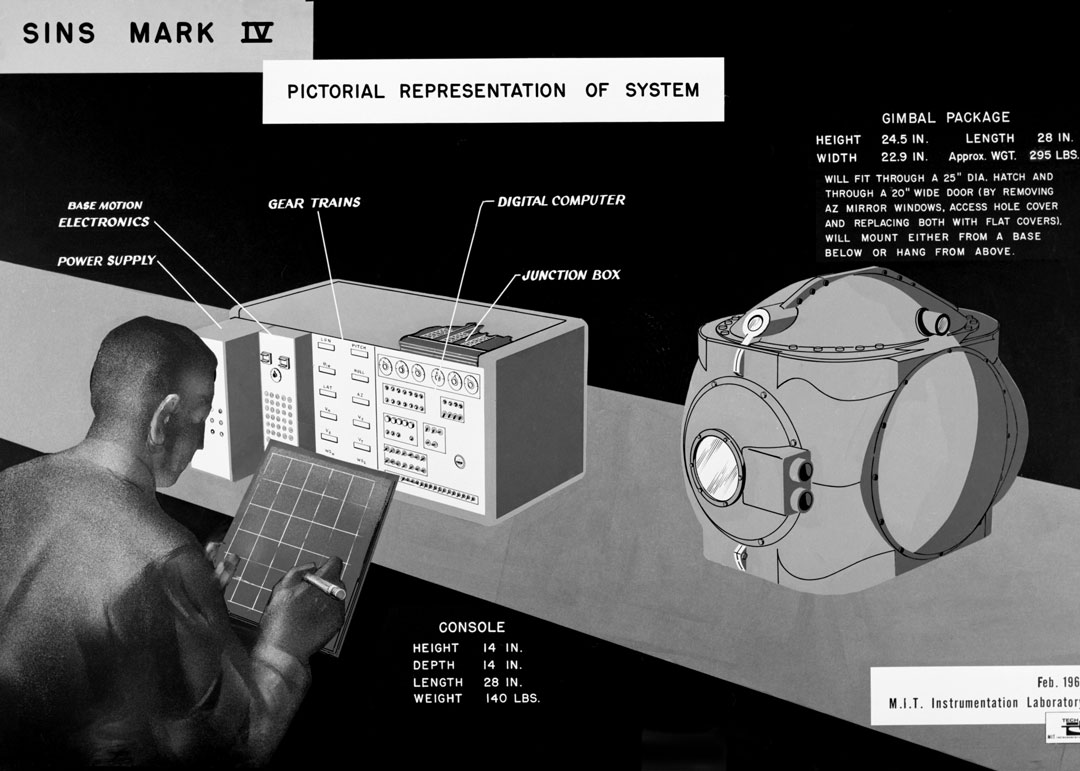
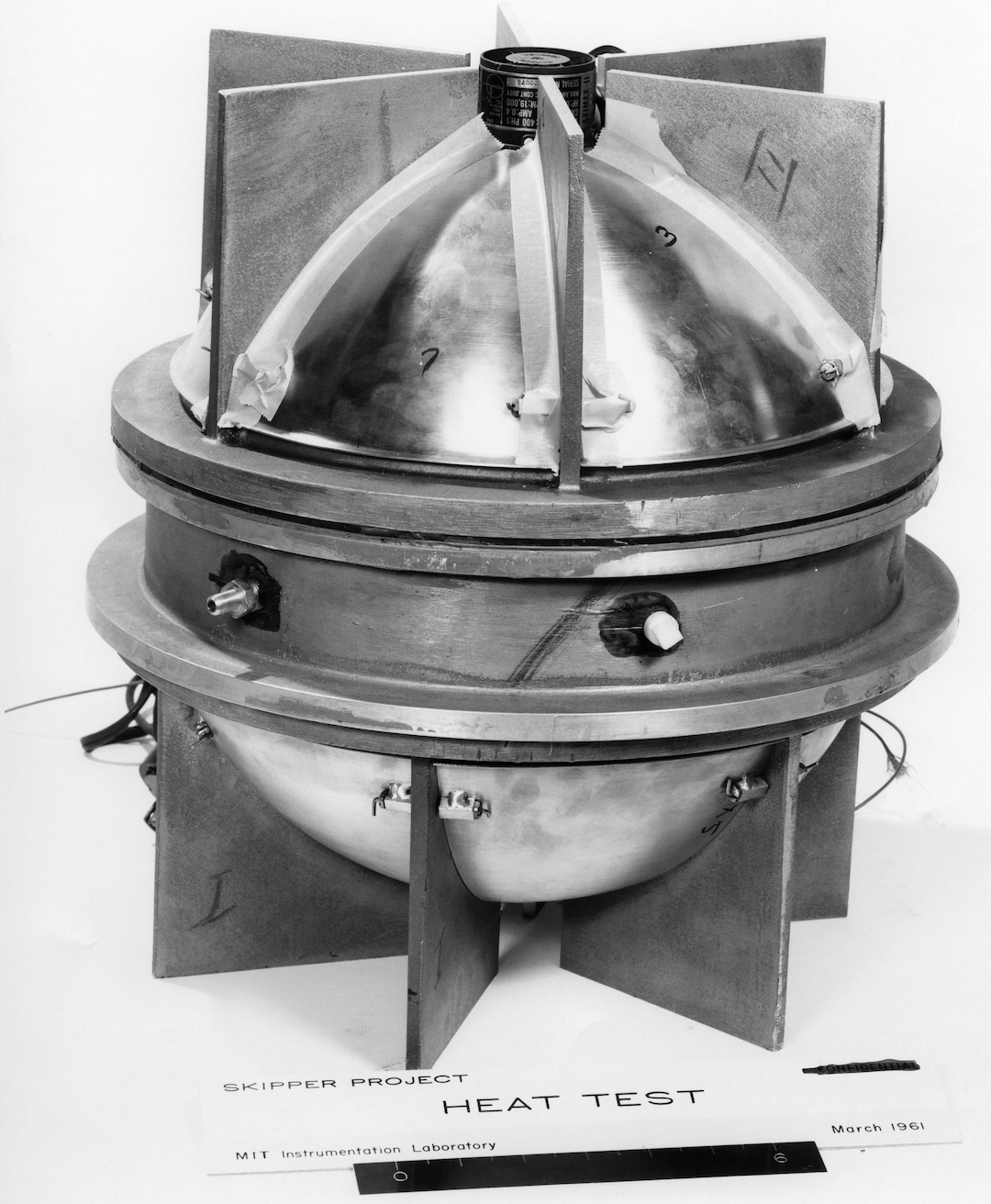
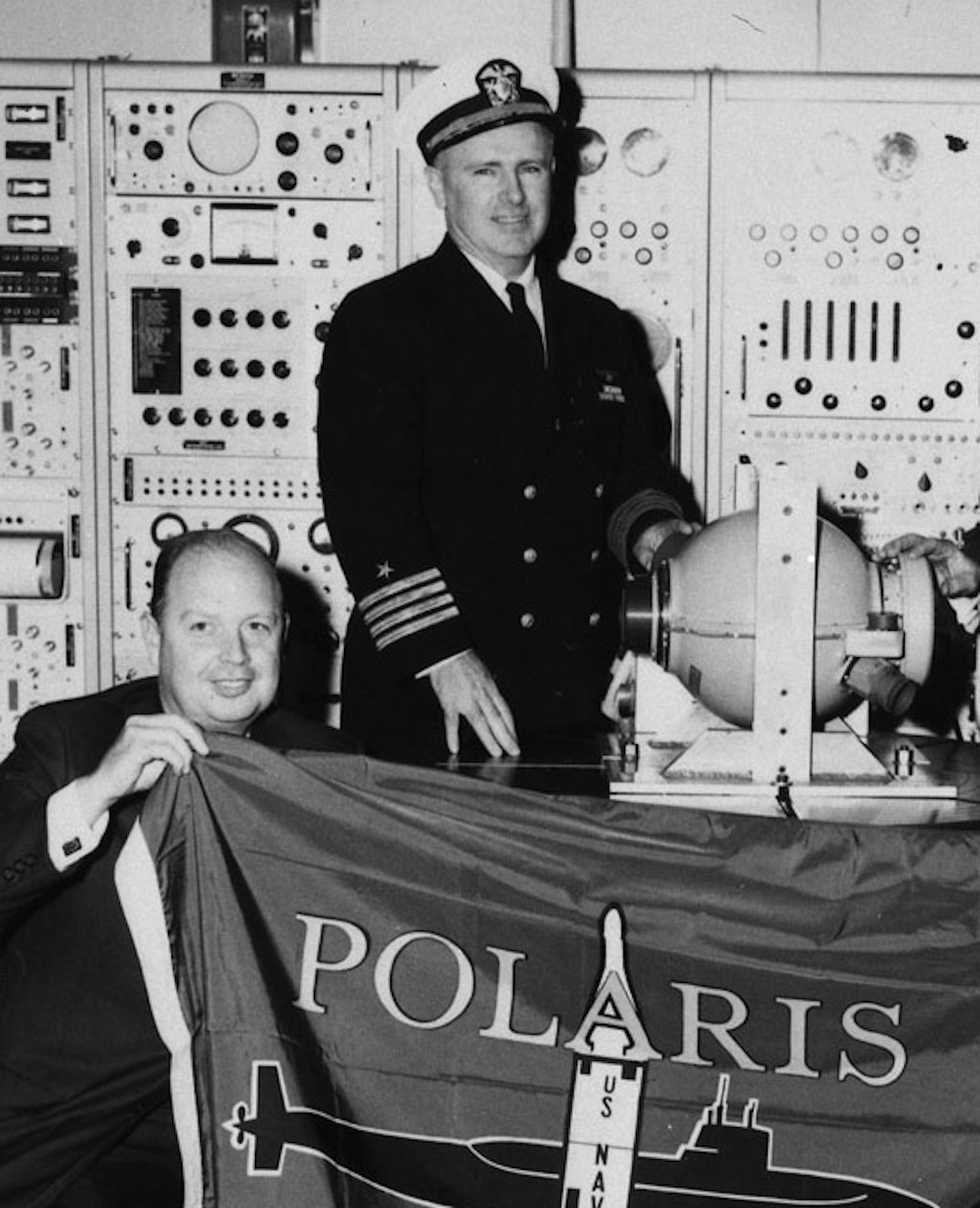
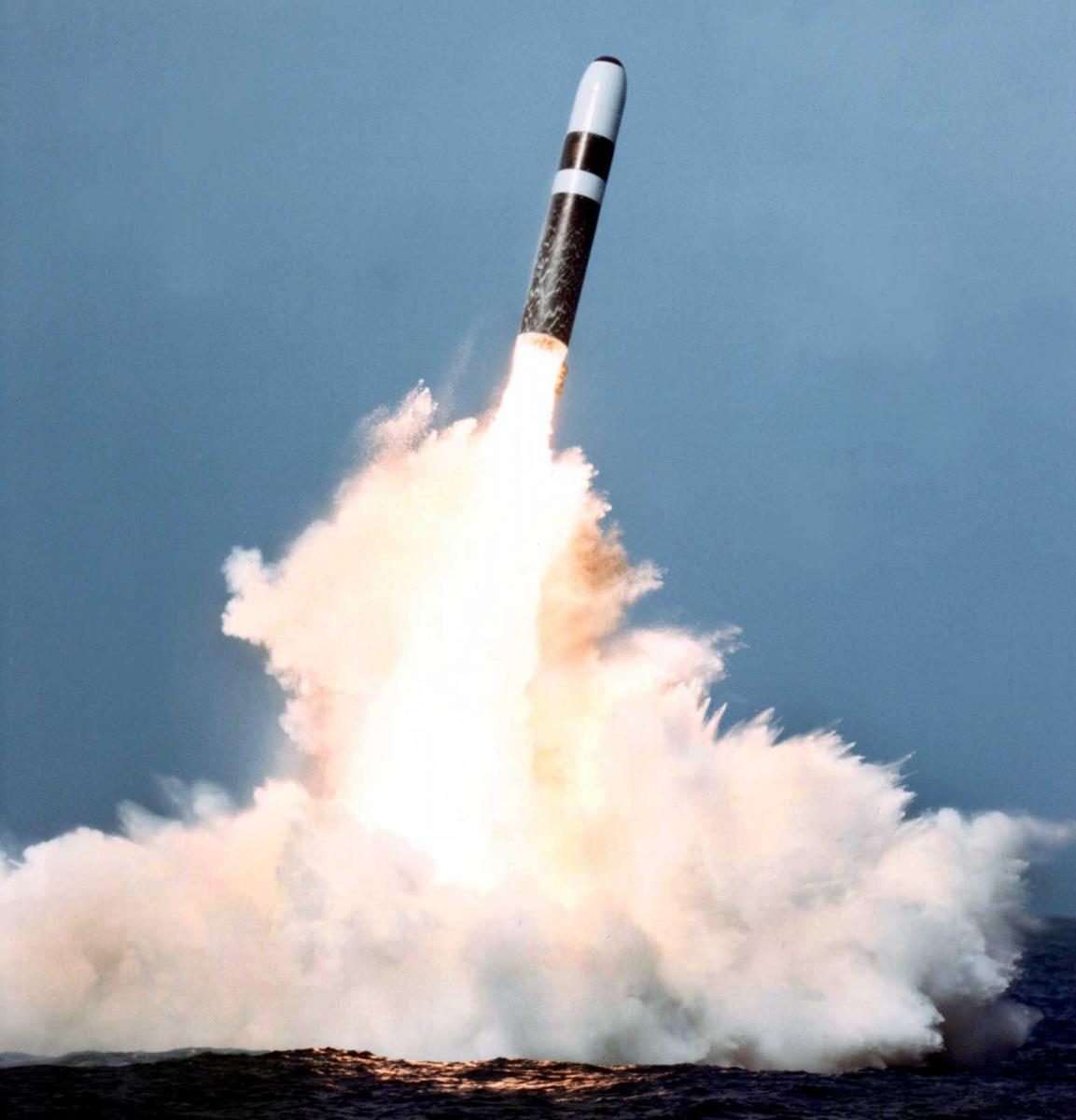
The U.S. Navy issued a contract to design, model, test and document an all-inertial guidance system for the Polaris missile, beginning the long relationship between the Laboratory and the Navy Strategic Programs Office.
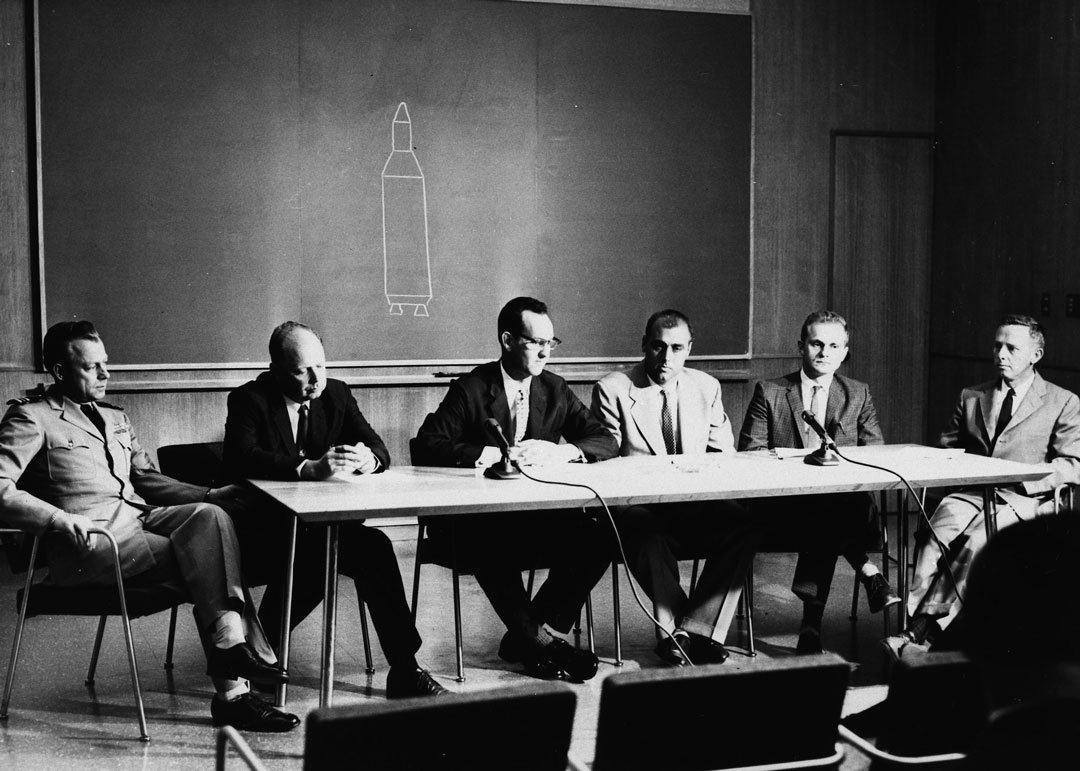
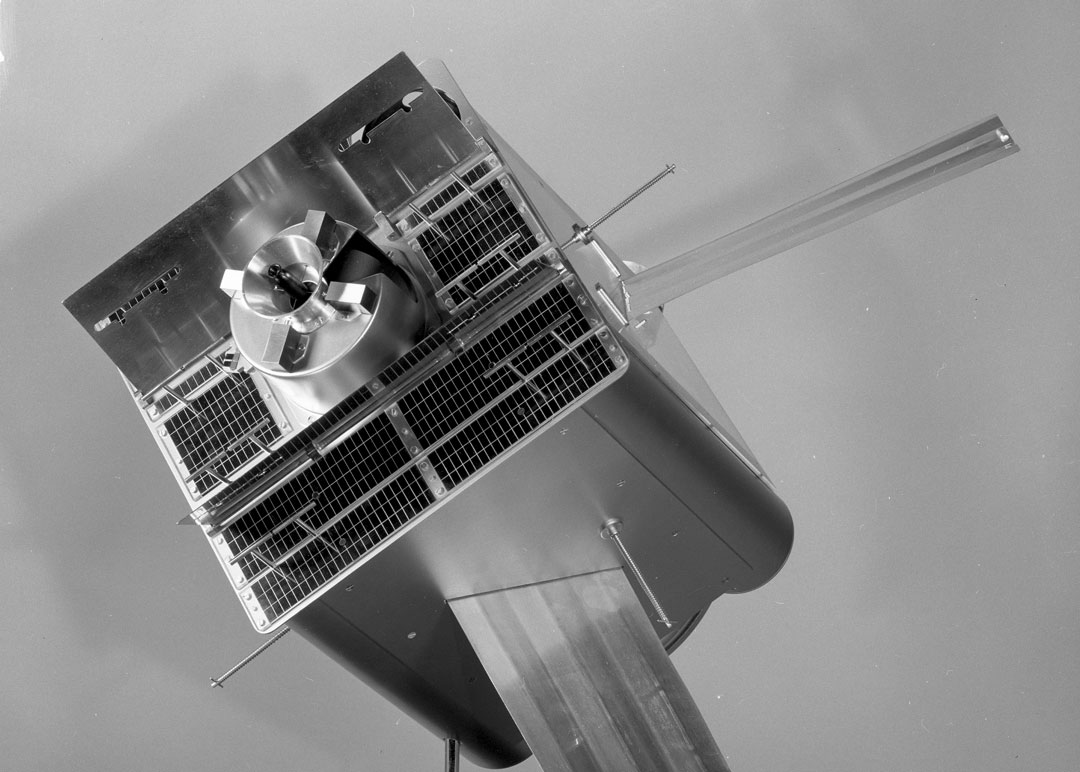
Sped up by the Soviet launch of the Sputnik satellite, the first successful test flight of a U.S. Air Force Thor intermediate-range ballistic missile with all-inertial guidance was held later that year.
 |
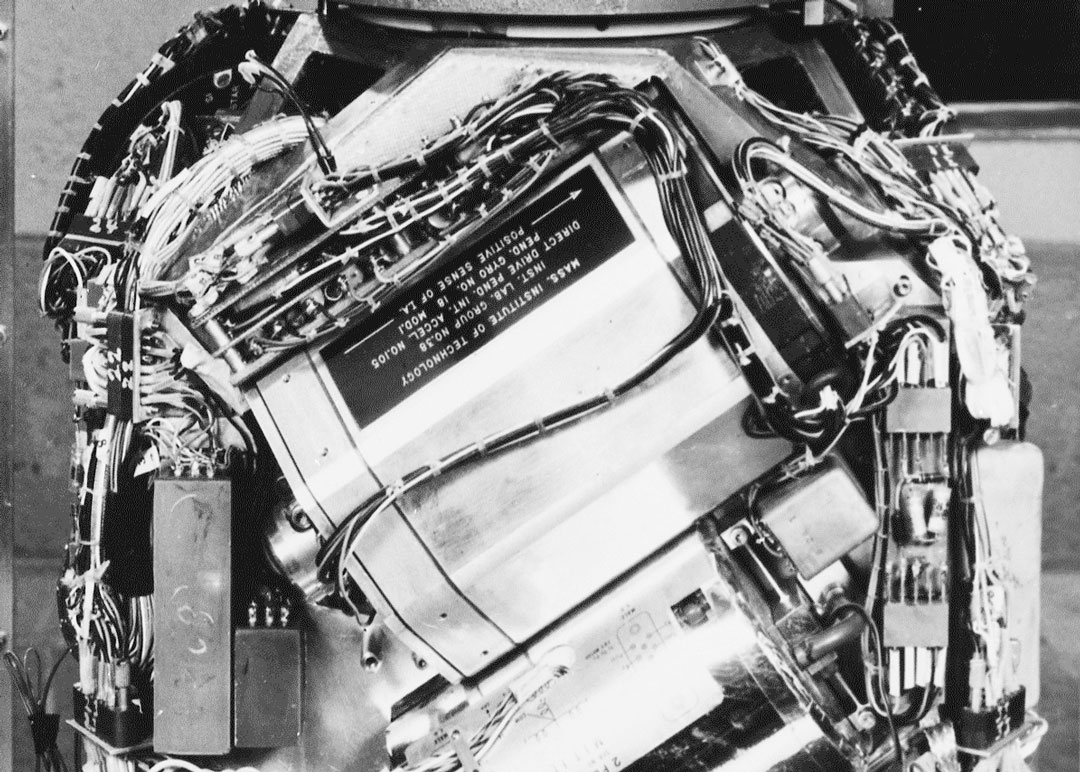
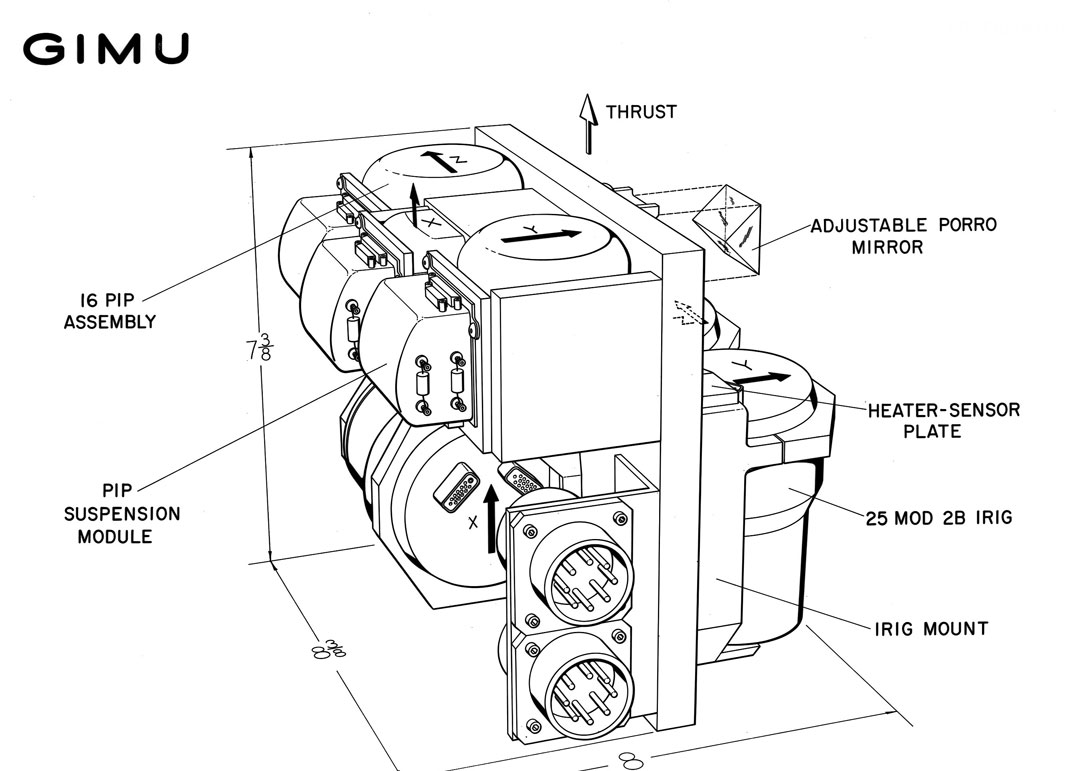
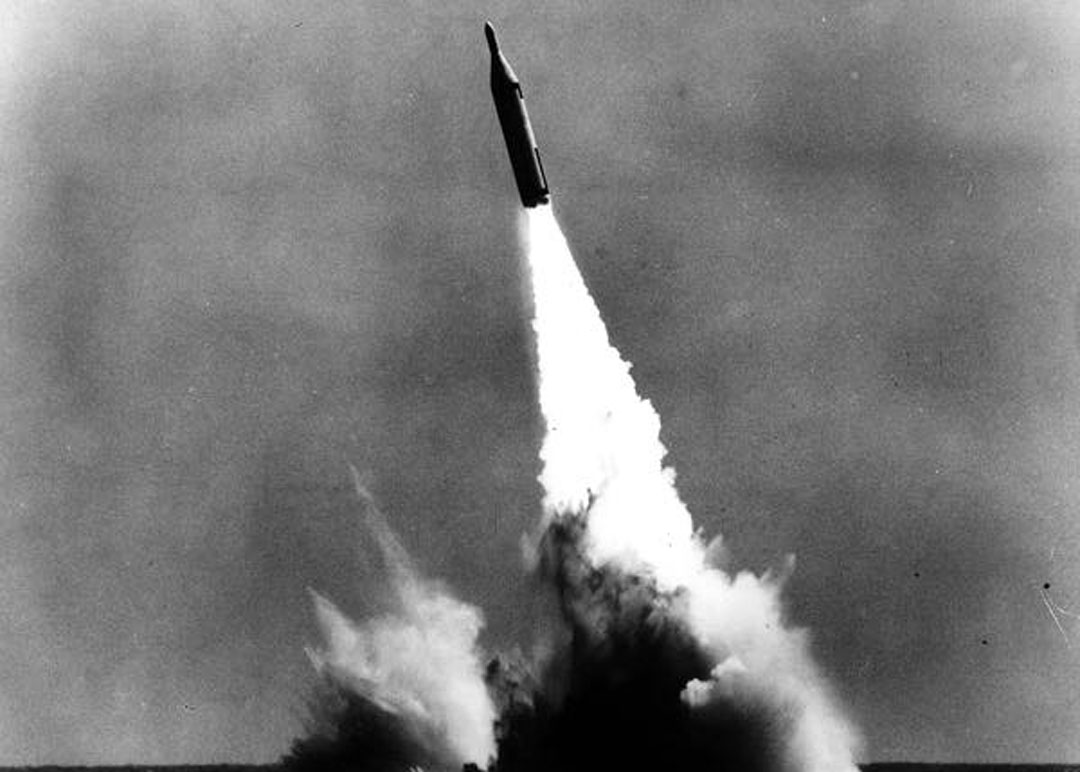
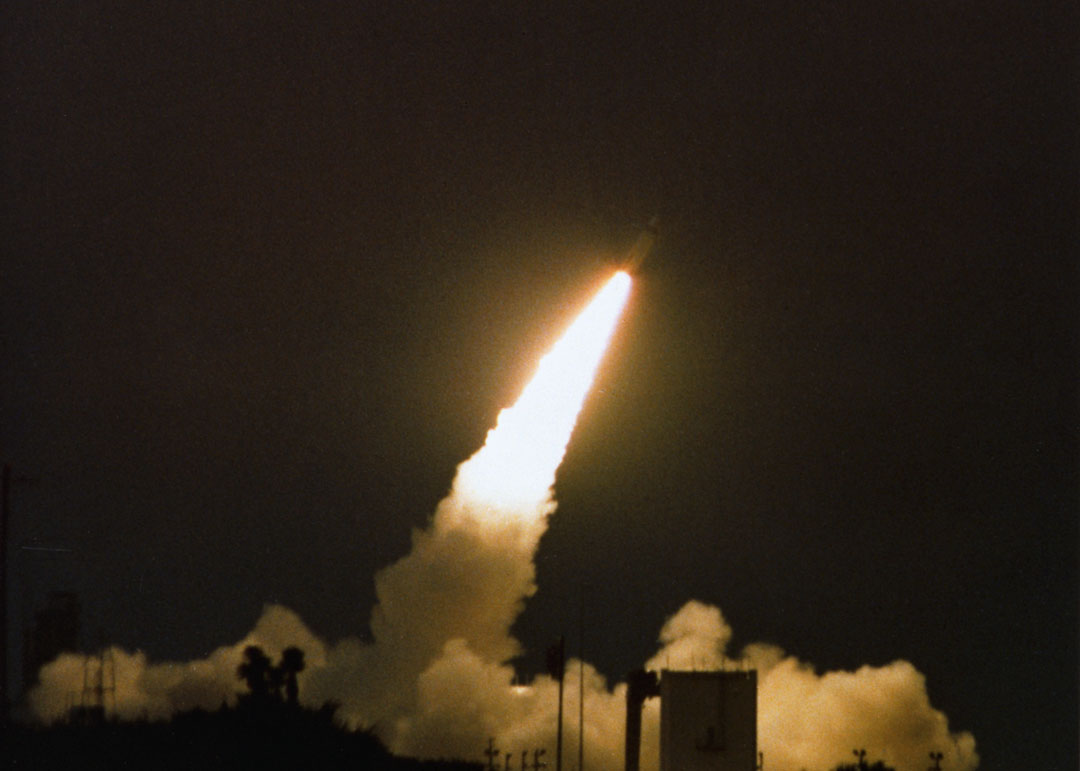
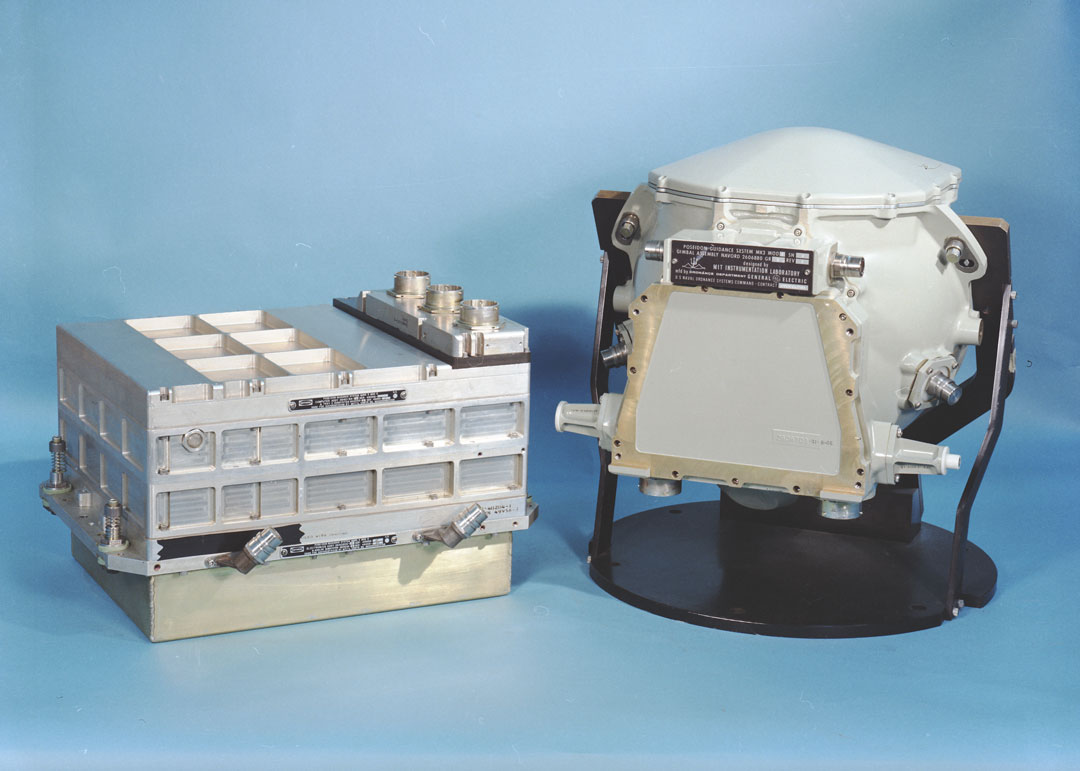
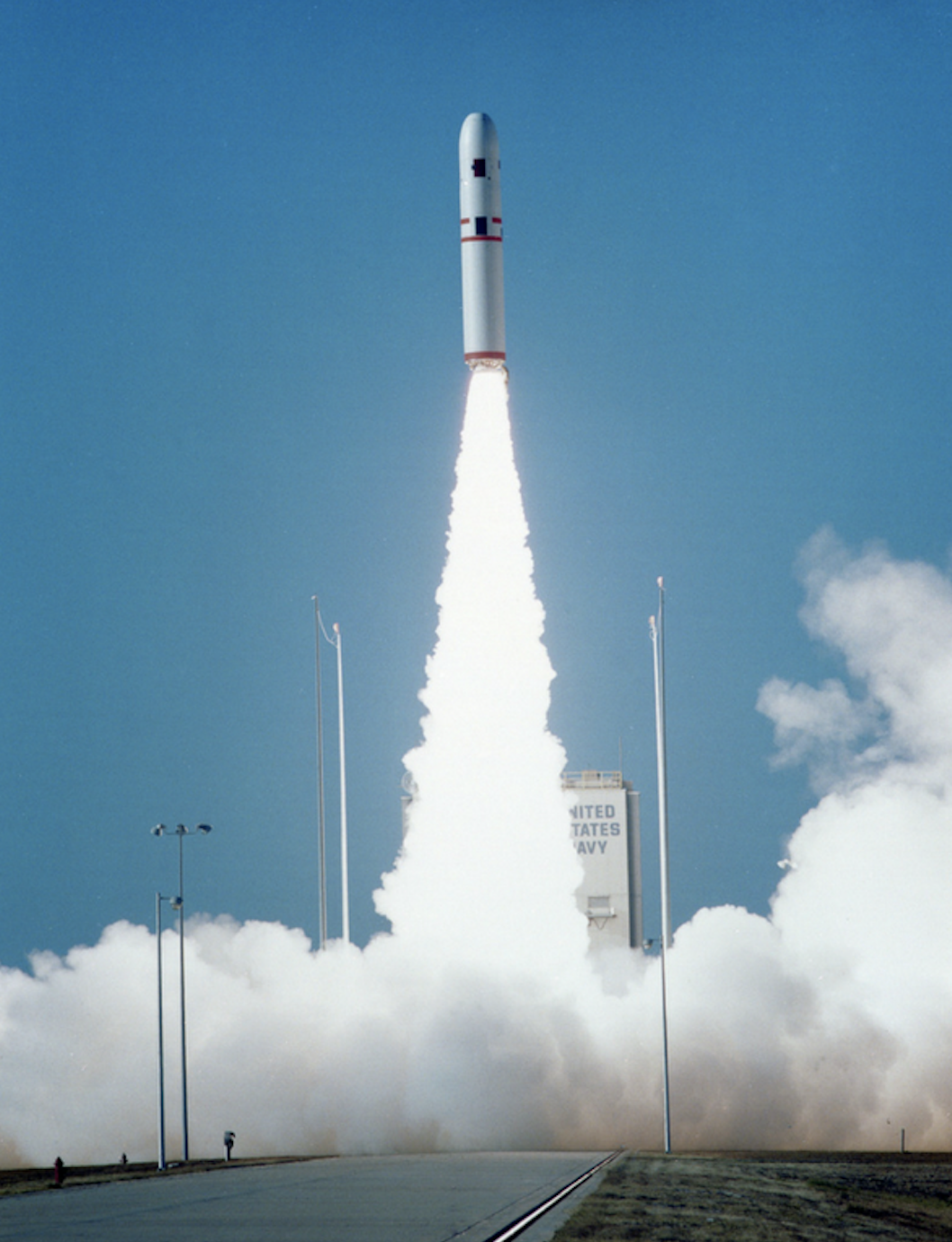
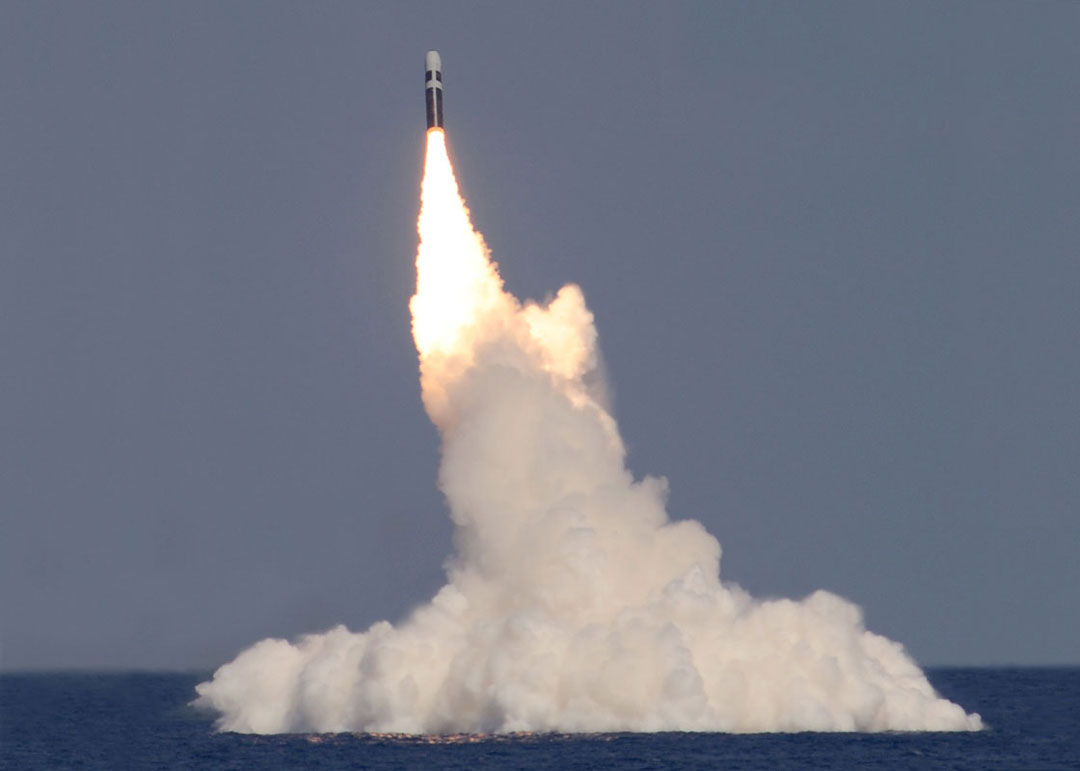
The Polaris A3 fleet ballistic missile was deployed aboard USS Daniel Webster (SSBN 626) with the Instrumentation Laboratory-designed MK2 guidance system. The missile’s range was 2,500 nautical miles.
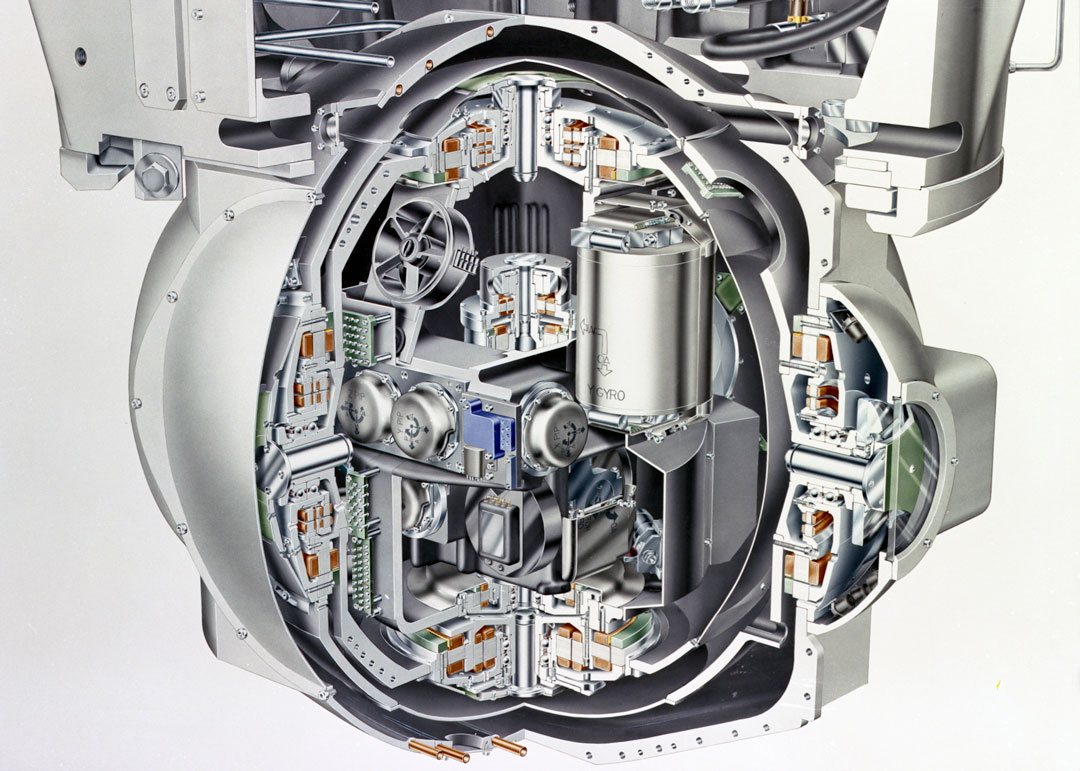
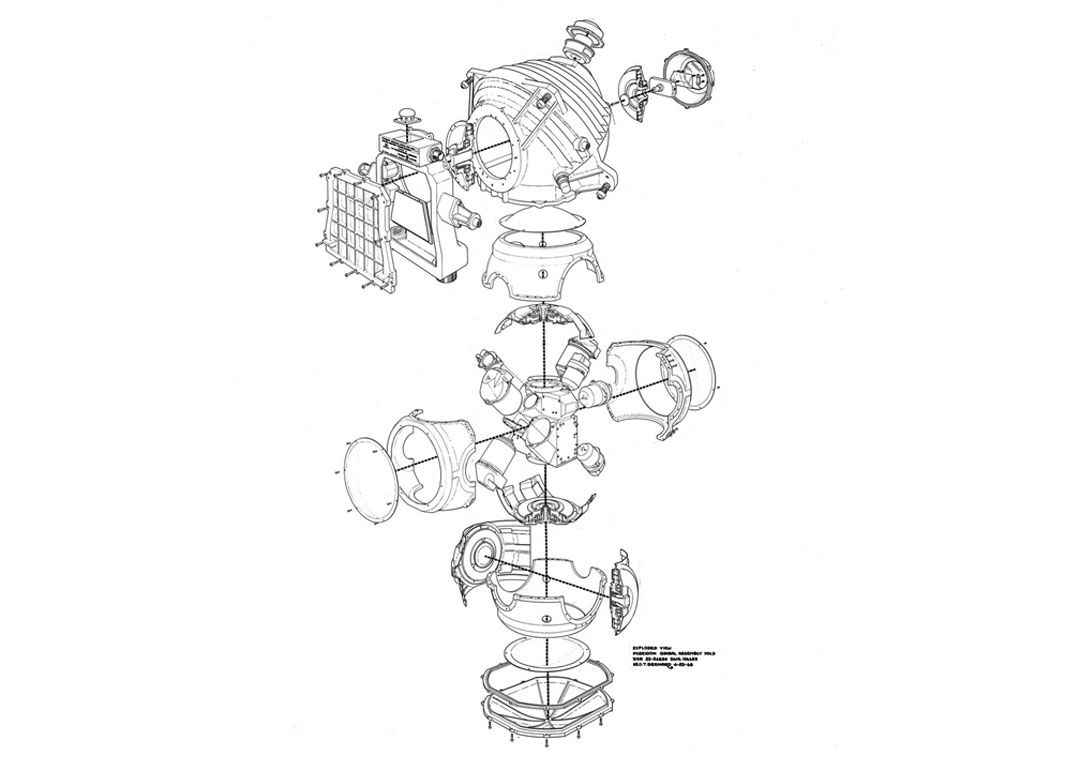
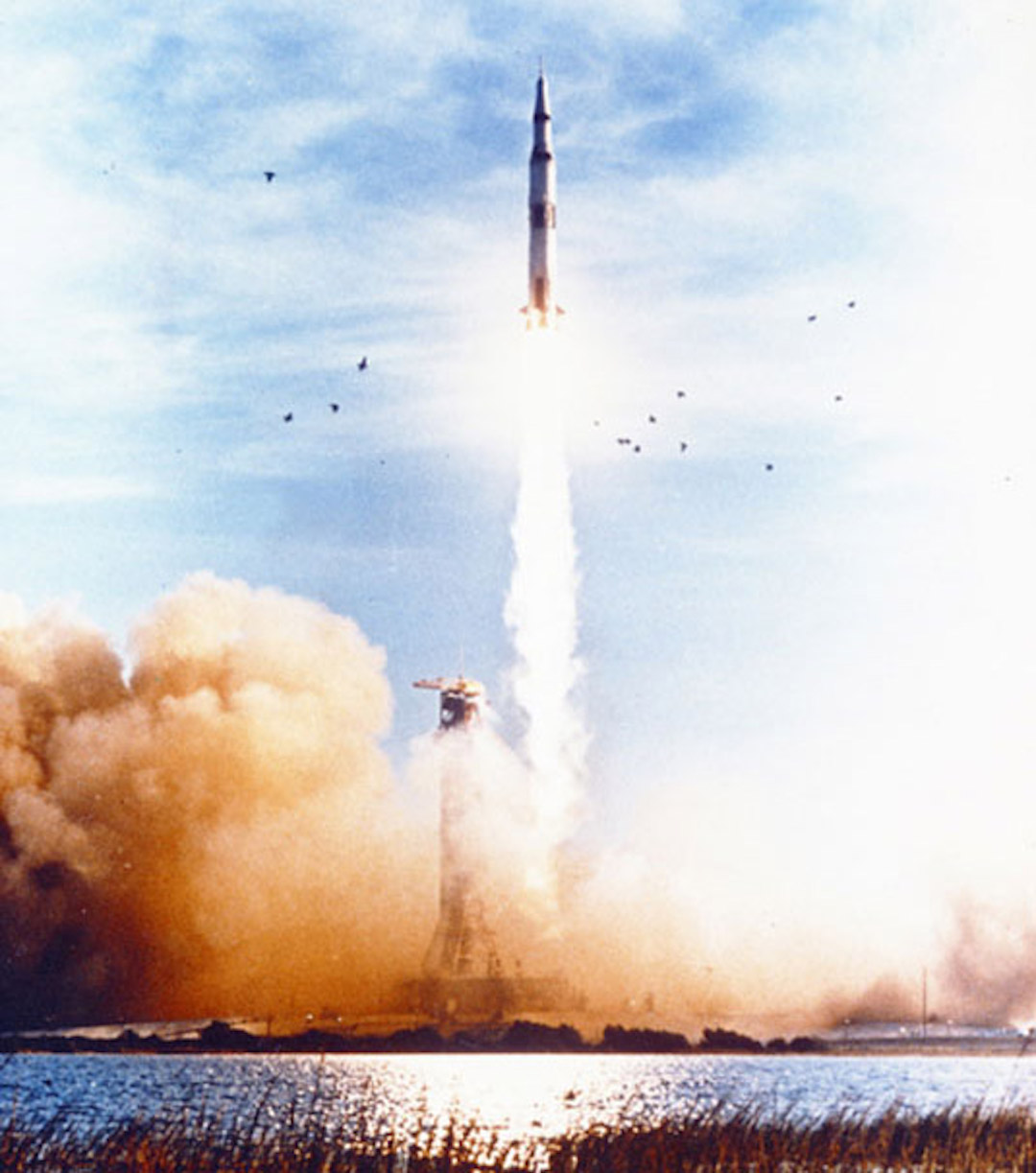
The Apollo 8 crew orbited the moon in a craft using a guidance and control system designed by the Laboratory.
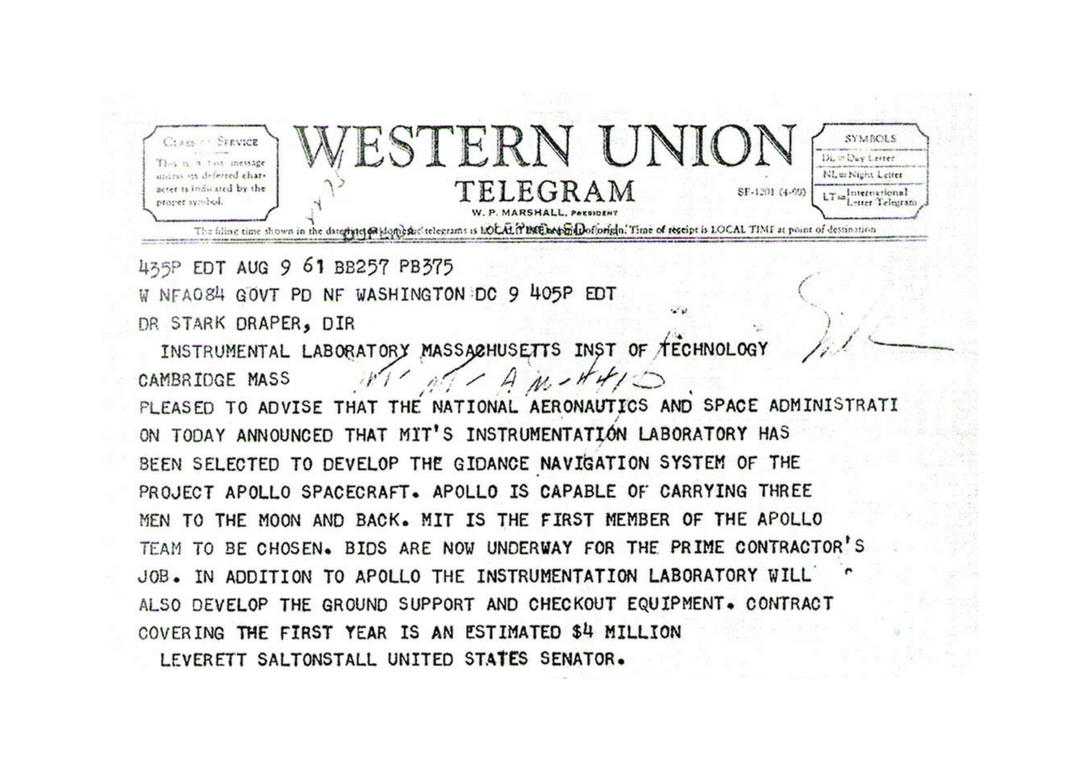
Apollo 11 made the historic first manned moon landing using the onboard computer guidance, navigation and control systems designed by the Instrumentation Lab for both the Command Module and the Lunar Module.
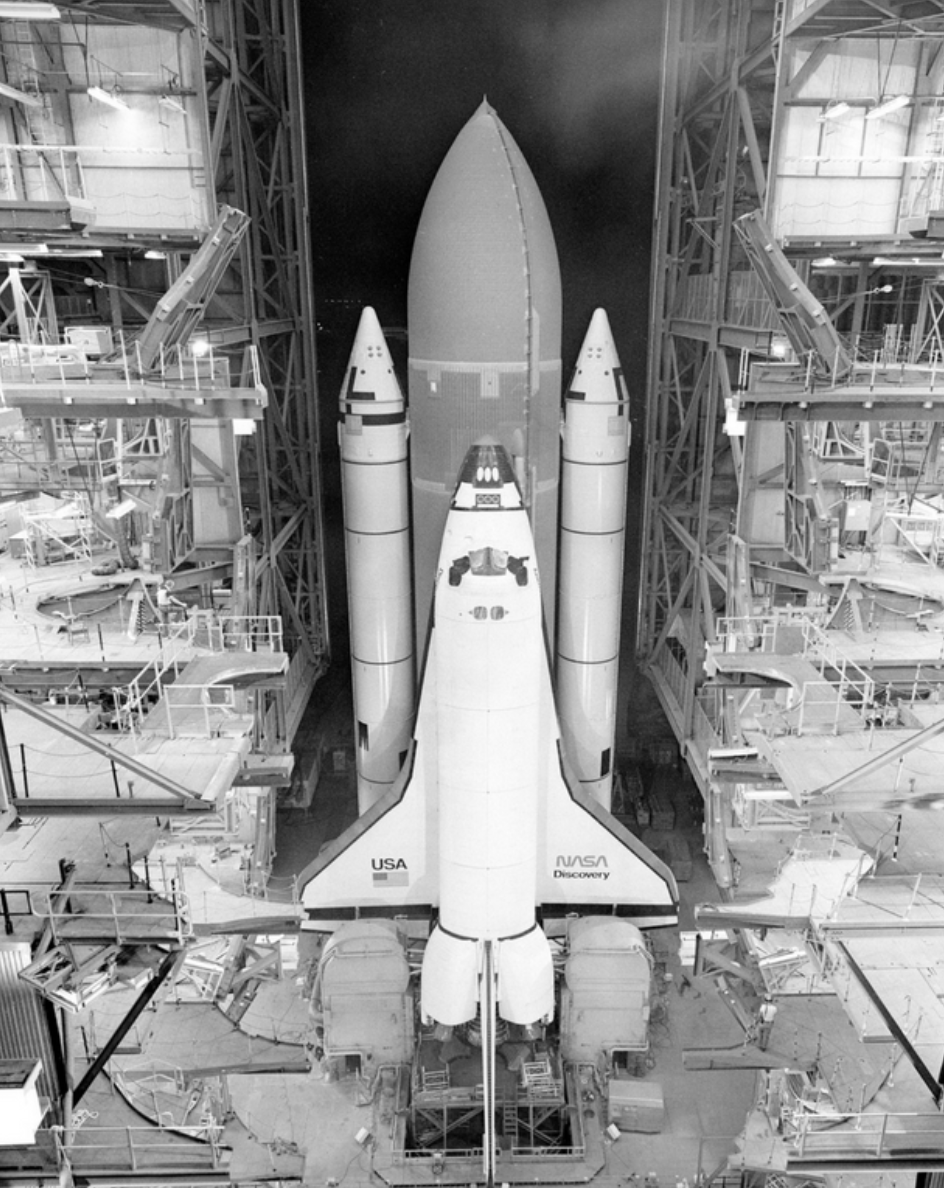
The Apollo 13 crew was rescued after an onboard explosion. Draper-developed contingency autopilot software in the Lunar Excursion Module (LEM) computer ensured stable control of the combined LEM and Command and Service Module during the trajectory correct maneuver to return to Earth.


The first kinetic kill intercept of a mock ICBM reentry vehicle occurred in exoatmosphere. Draper Lab, which had provided independent analysis to the government throughout the program, led a review committee for the Homing Overlay Experiment program before this test flight.
As a key member of the Delta-180 team, Draper Laboratory analyzed navigation, sensor filtering, guidance design, and software that enabled demonstration of the first kinetic energy intercept of a ballistic missile during its boost phase.
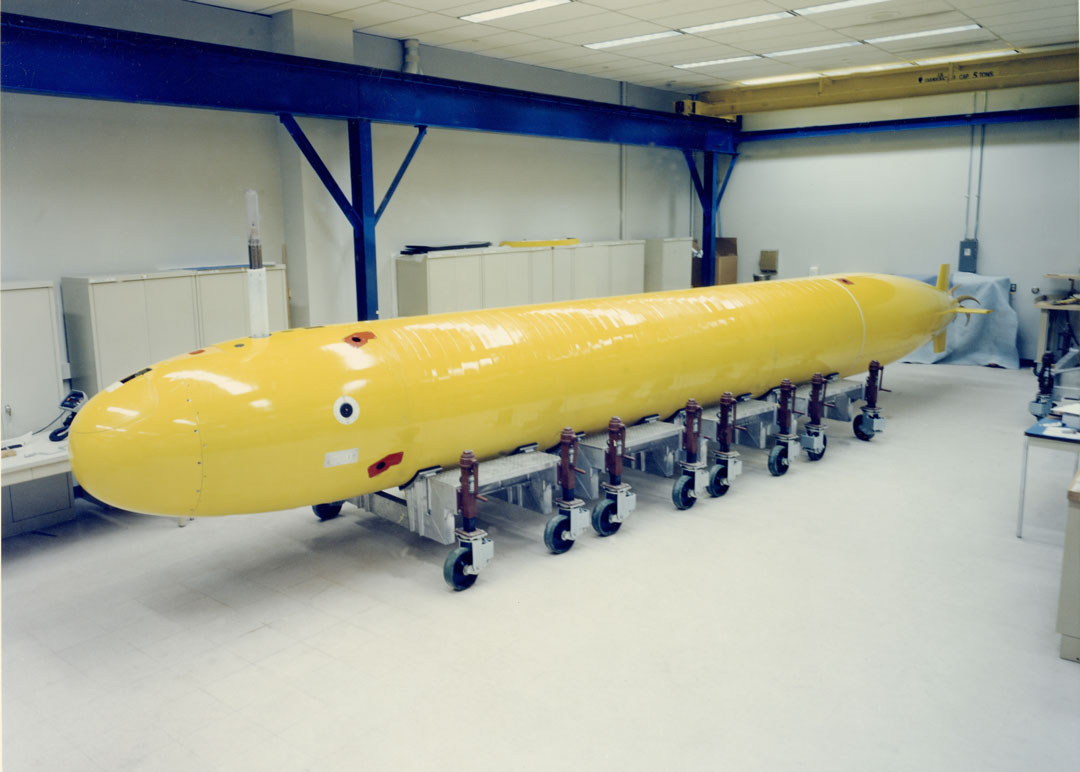
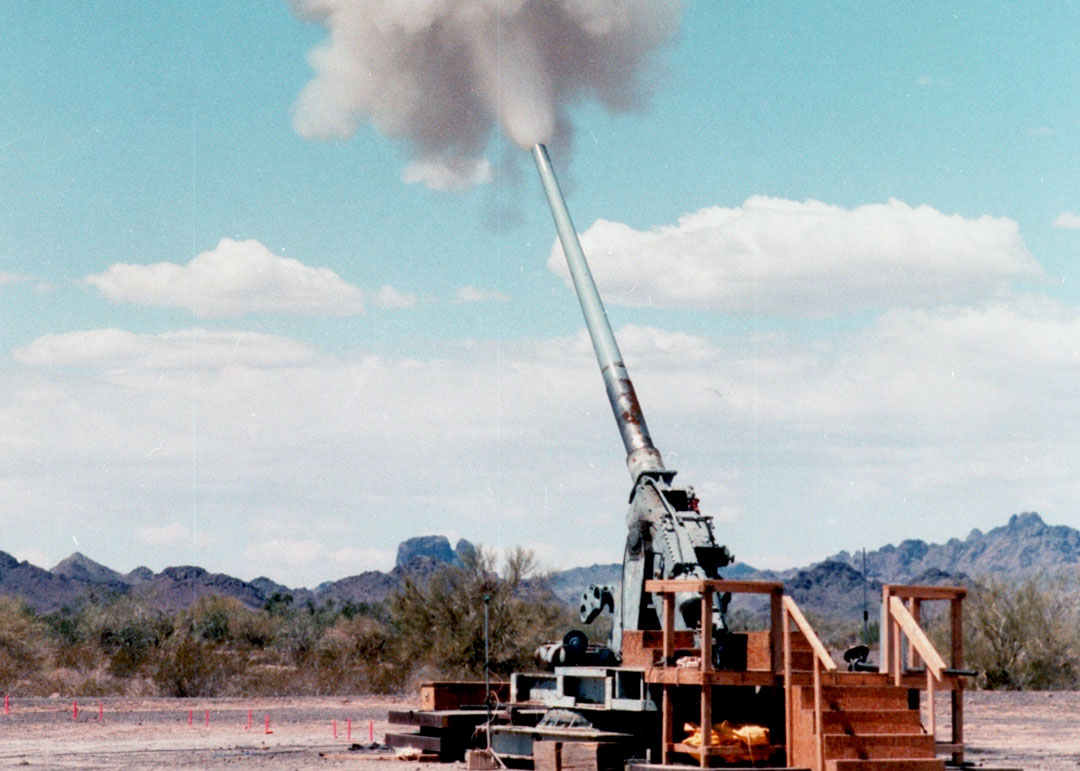
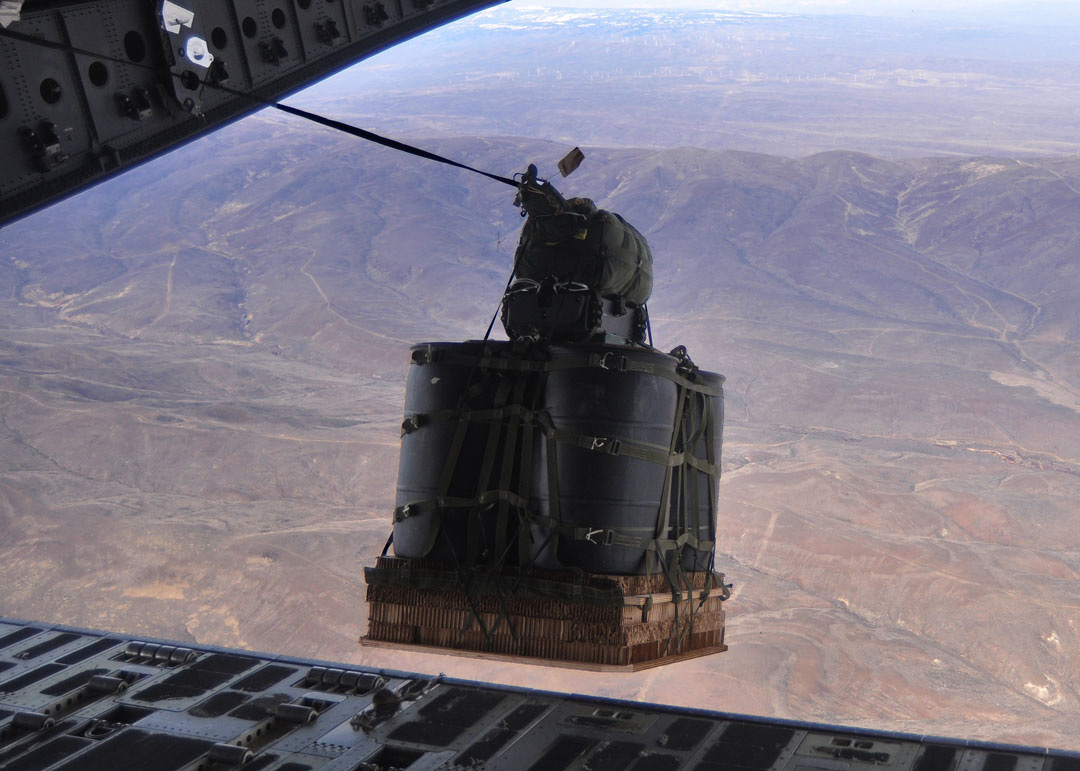
PGAS was able to navigate via an onboard combination of an inertial navigation system and GPS.
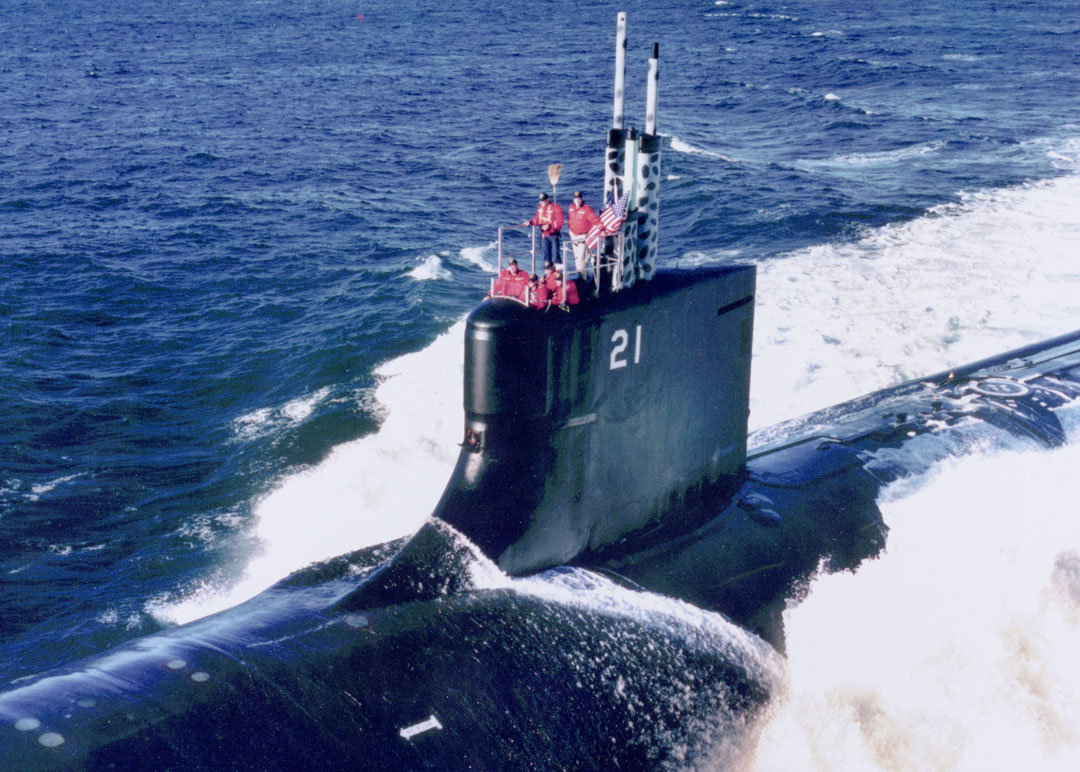
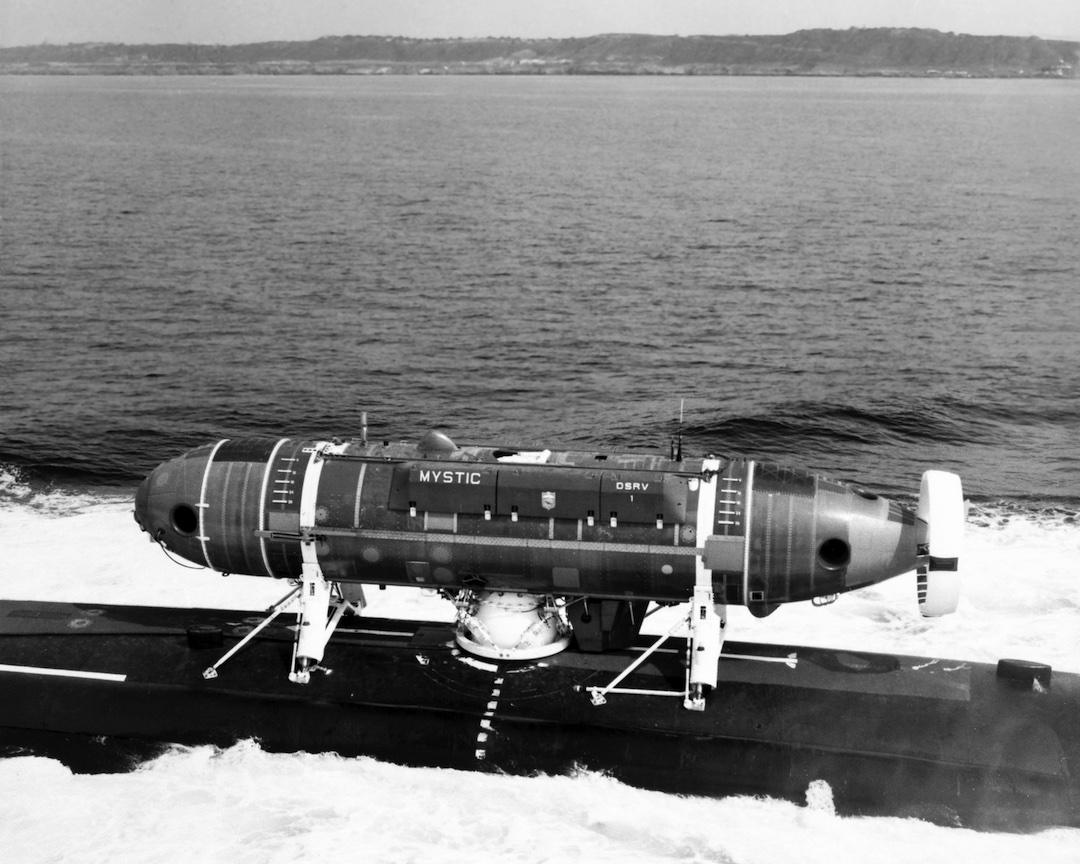
Draper delivered the tactical hardware and software of the Integrated Control and Display System for the Advanced SEAL Delivery System to the U.S. Navy.
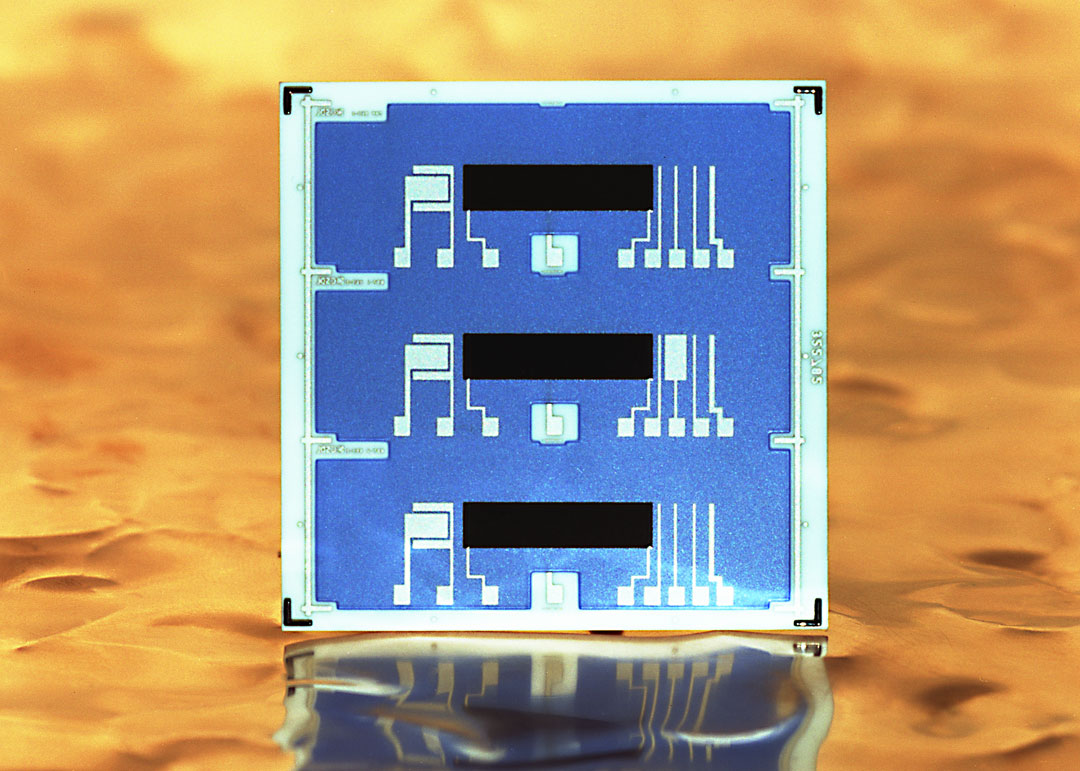
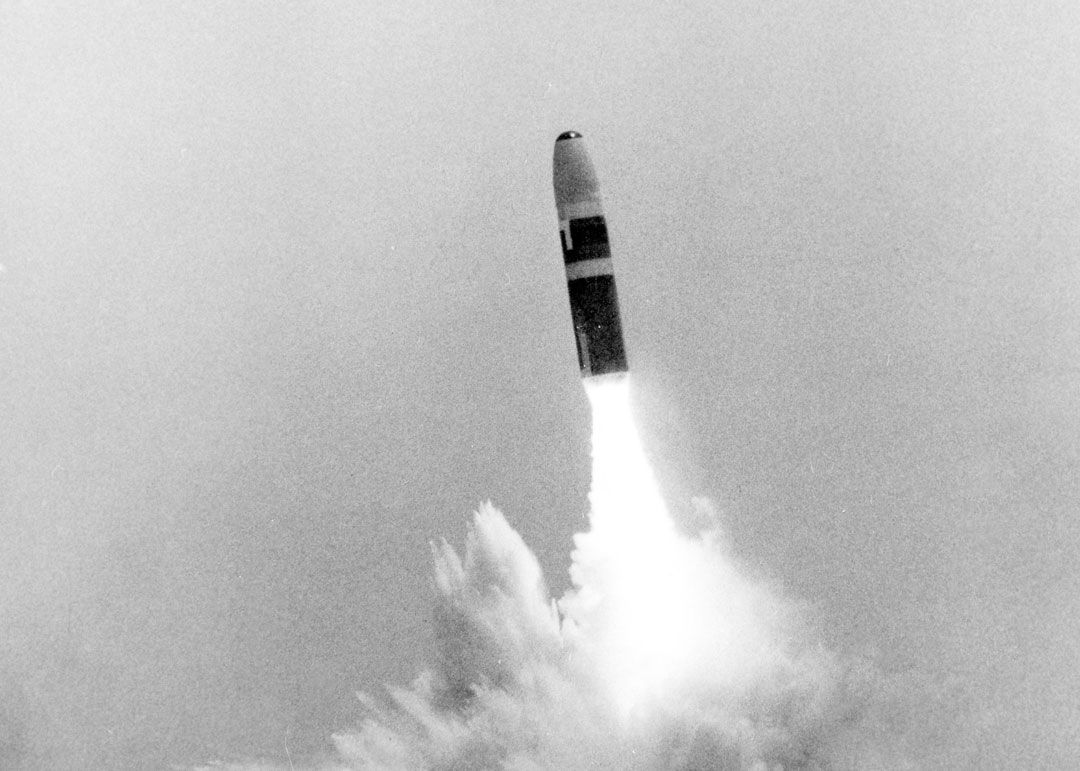
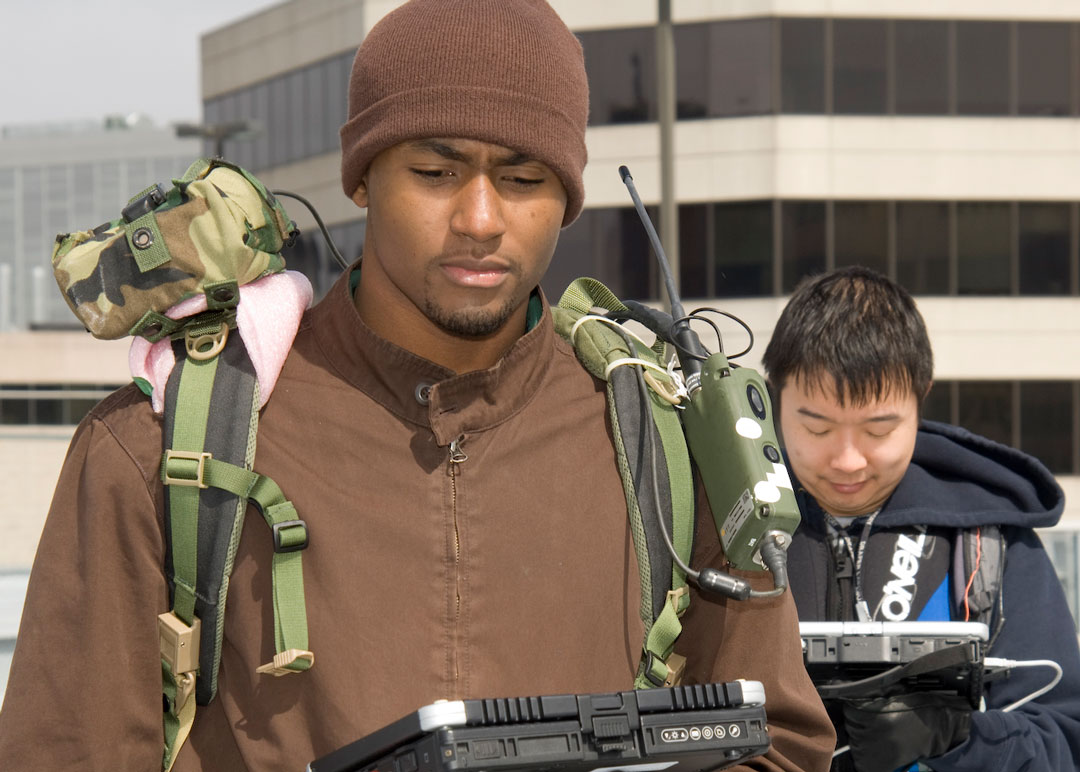
Draper began an expanded role as both the programs and systems integrator for the entire U.S. Navy Trident II (D5) Missile Guidance Program. It initiated the development of the MK6 MOD 1 Guidance System Life Extension Program, the first strategic missile guidance system employing solid-state gyros.
Draper-designed software enabling autonomous collection of intelligence, surveillance, and reconnaissance data via an unmanned undersea vehicle was demonstrated in ONR’s Maritime Reconnaissance Demonstration program.
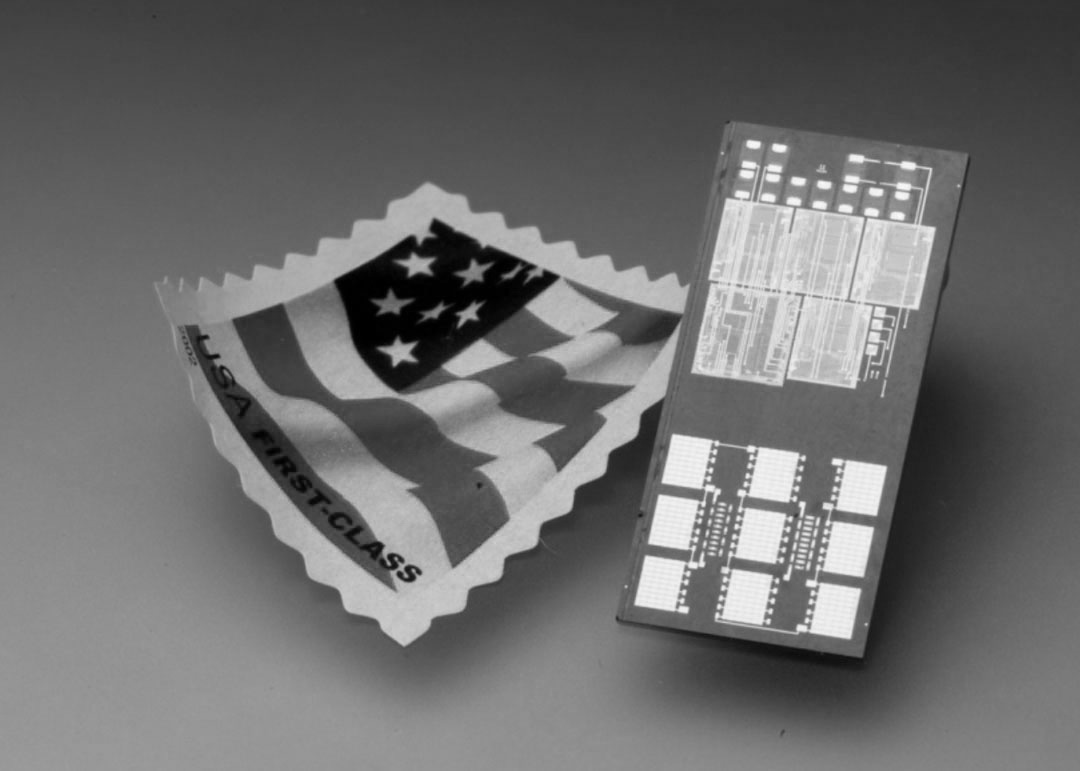
MCM technology at Draper completed its essential transition from a promising laboratory technique to an economically viable production. process. Key to this advance were the application of machine vision to laser-drilled via-hole alignment and the implementation of known-good-die testing after thinning.
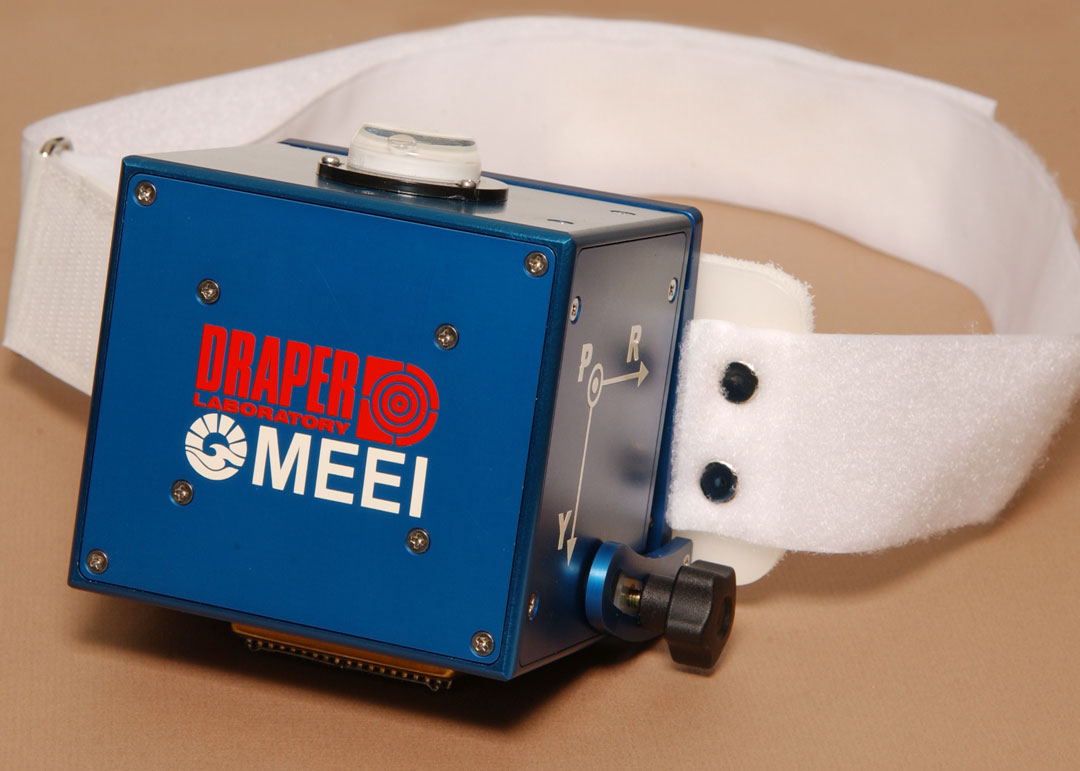
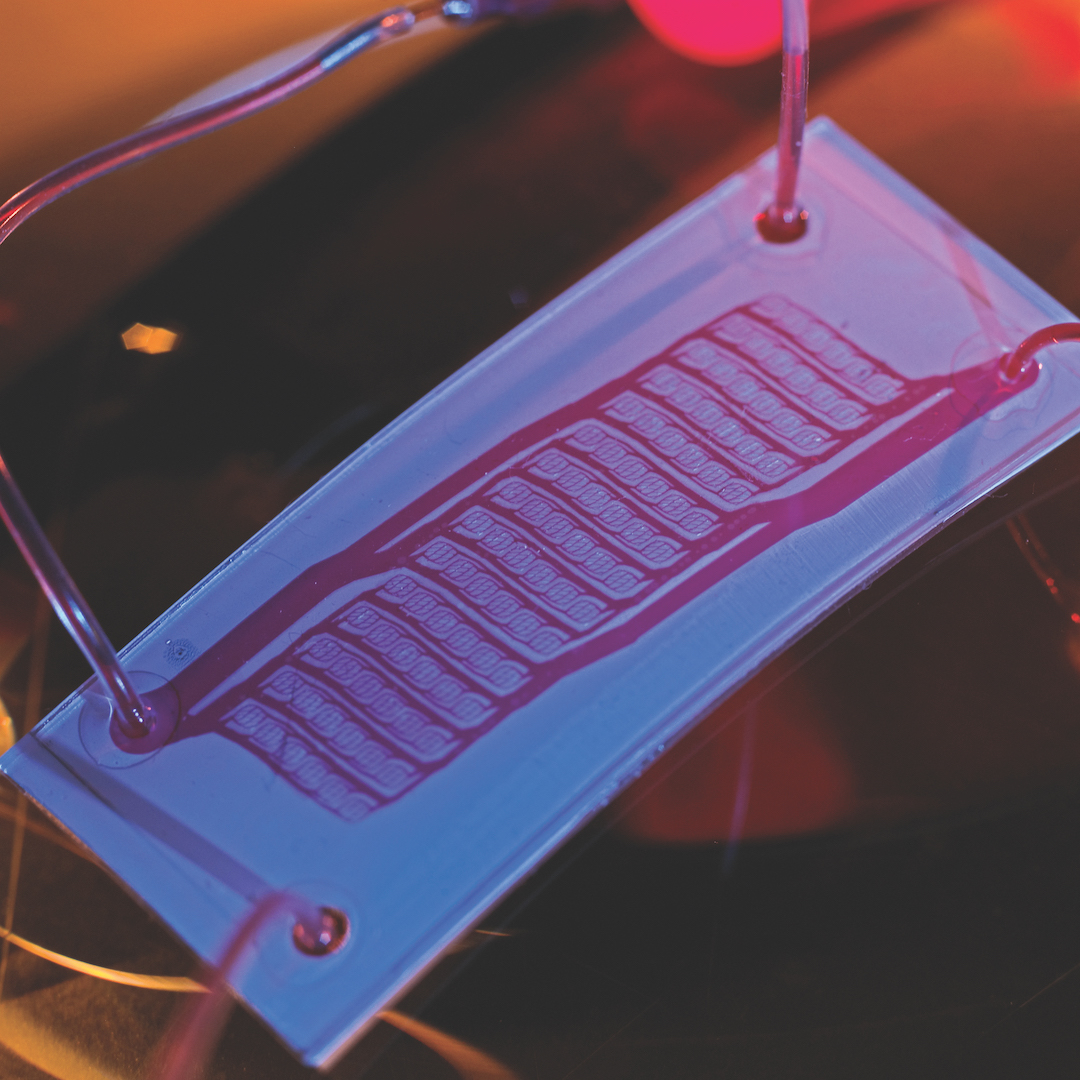
Draper received its first grant as a principal investigator from the National Institutes of Health, for the Bioengineering Research Partnership for Intracochlear Drug Delivery with Massachusetts Eye and Ear Infirmary.
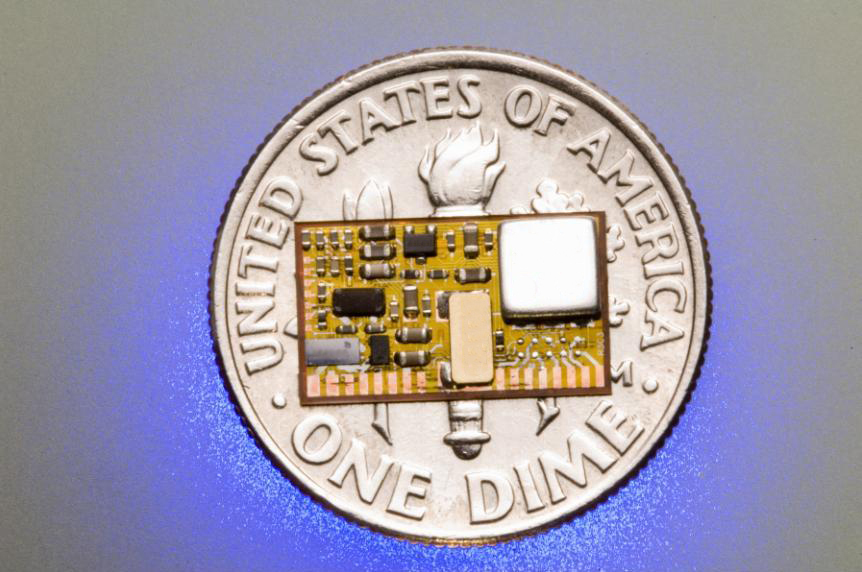
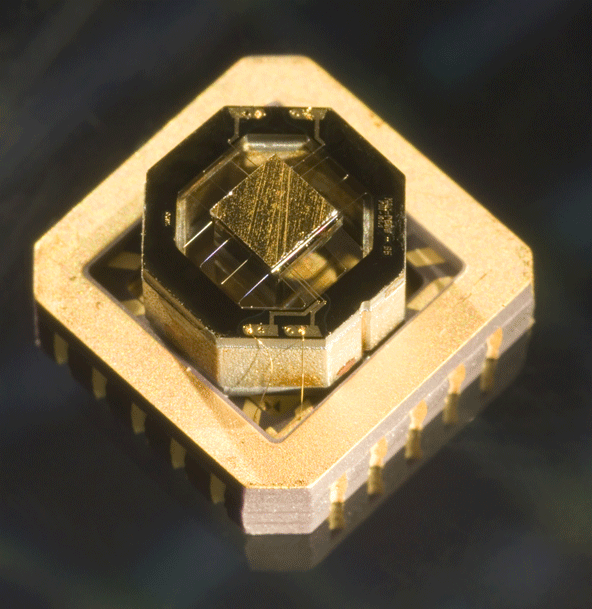
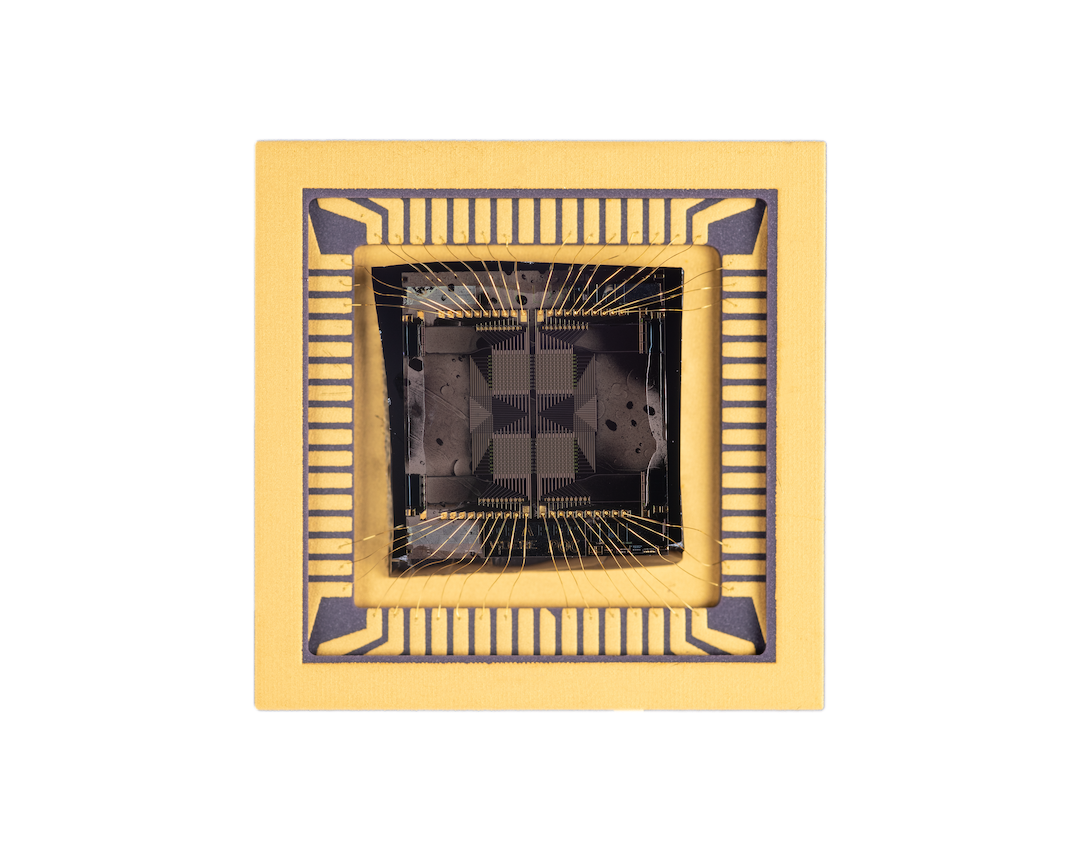
The integrated Ultrahigh Density (iUHD) platform concept was introduced. This packaging process exploits commercial semiconductor process equipment to create 3D stacked systems that are customizable and compatible with multiple materials and substrates.
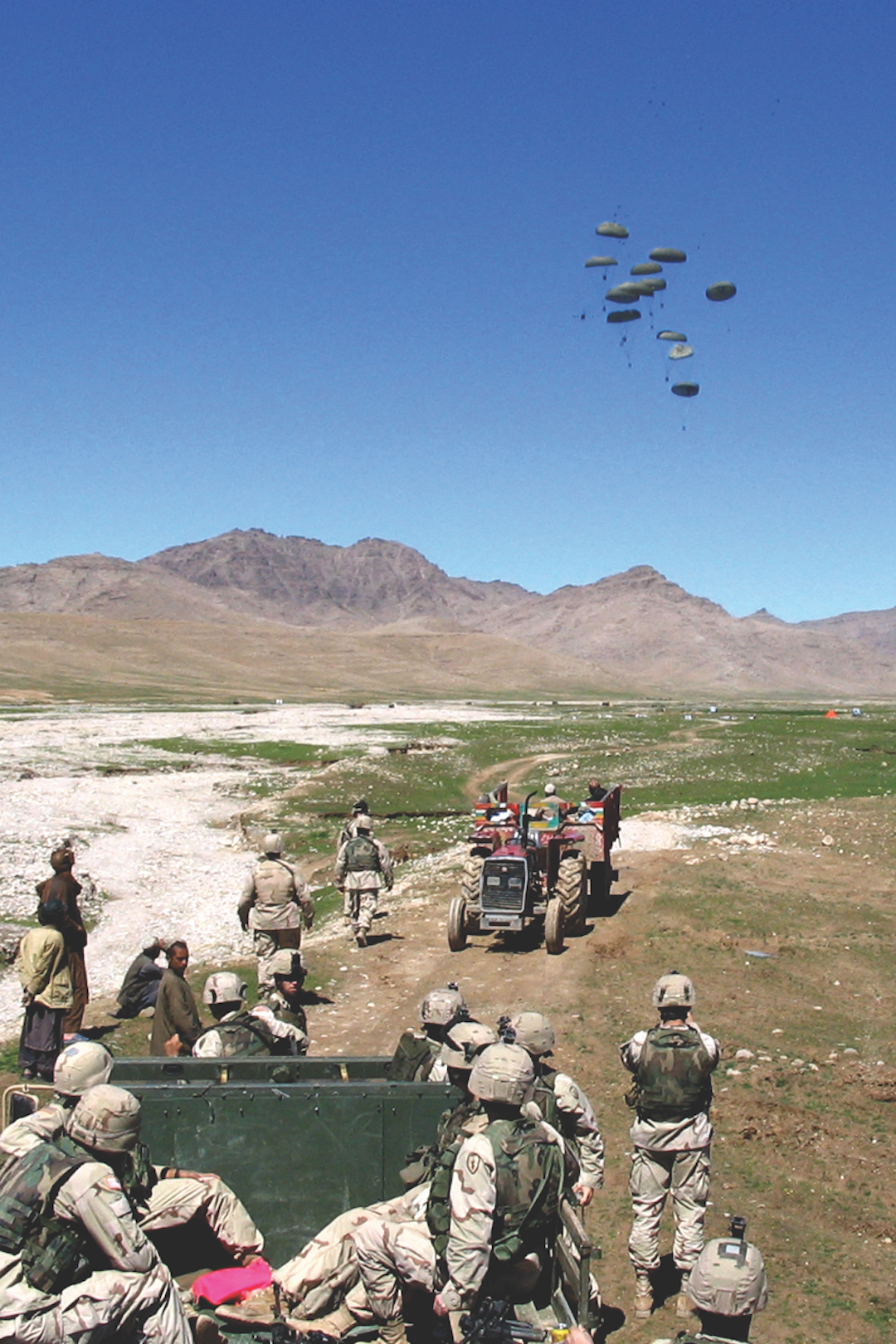
The Joint Precision Airdrop Mission Planner was rapidly deployed in Afghanistan, operating on laptops onboard Air Force cargo planes. The mission planning software determines release points for dropping cargo, via either unguided parachutes or guided airdrop systems, for precision landing.
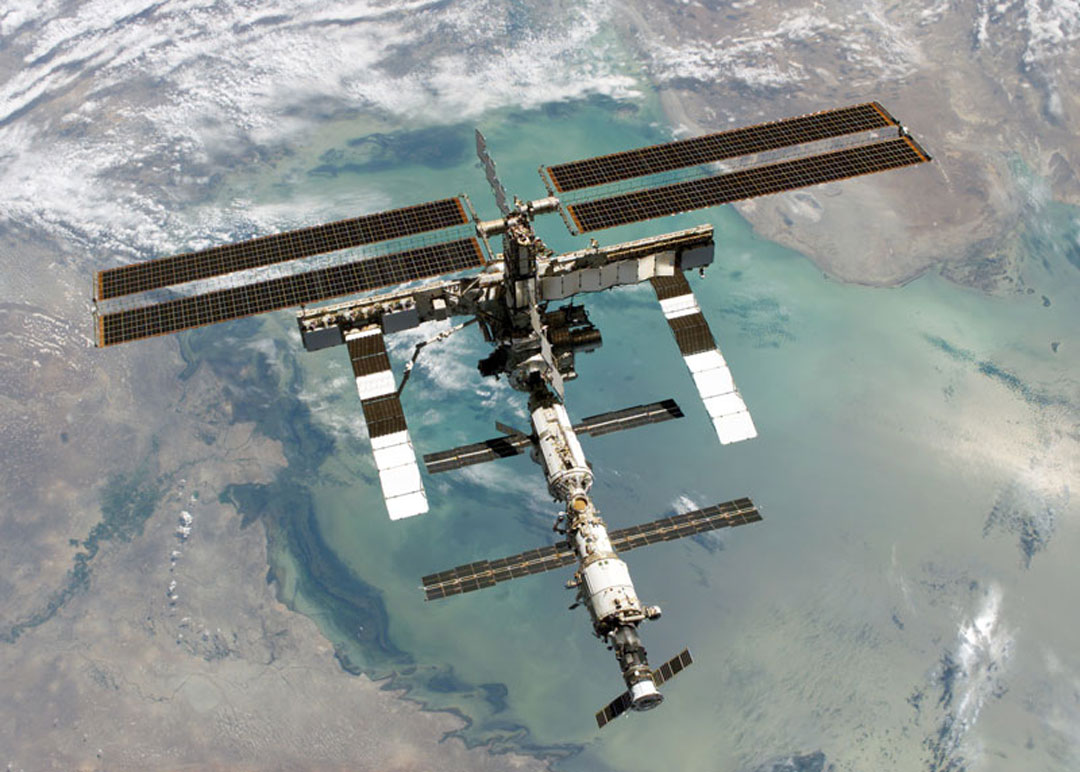
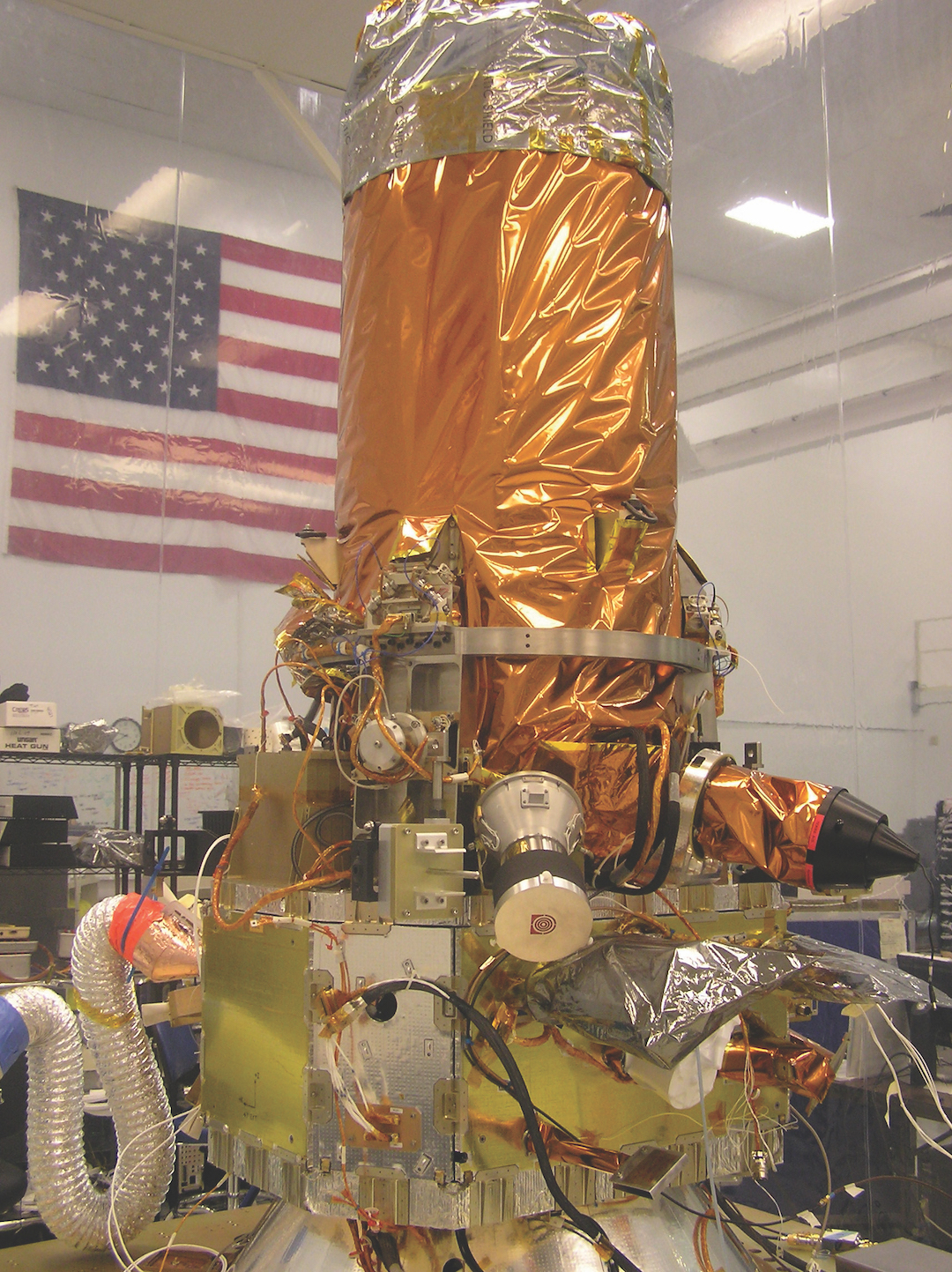
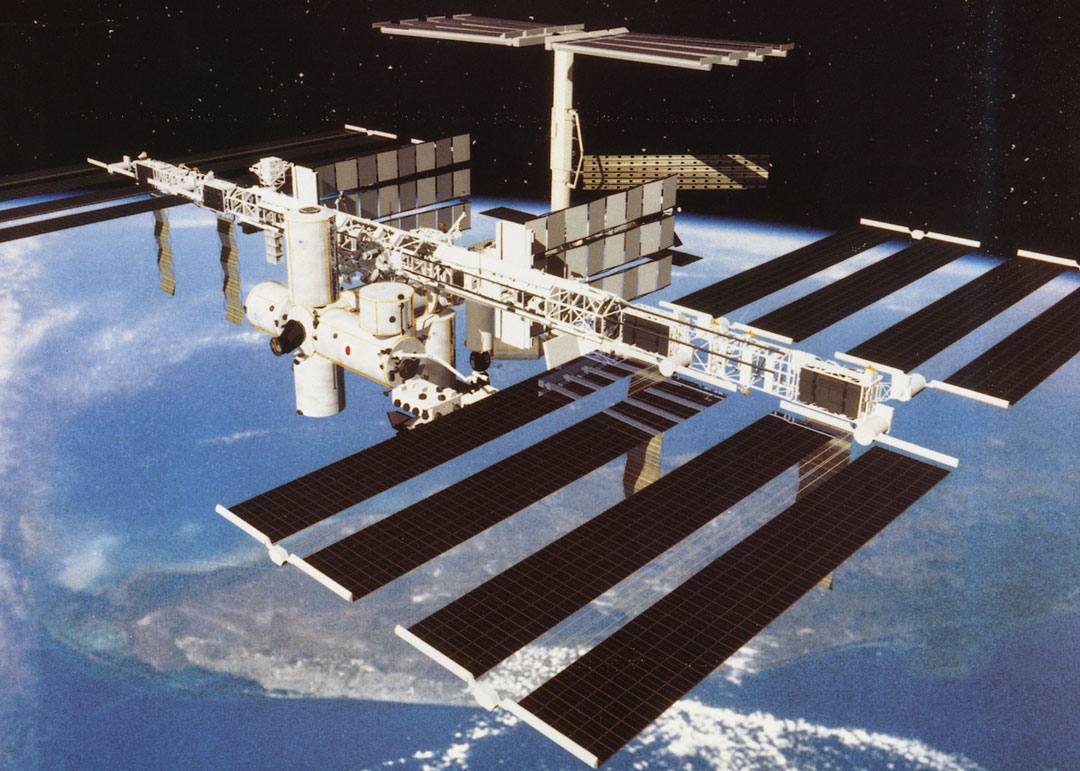
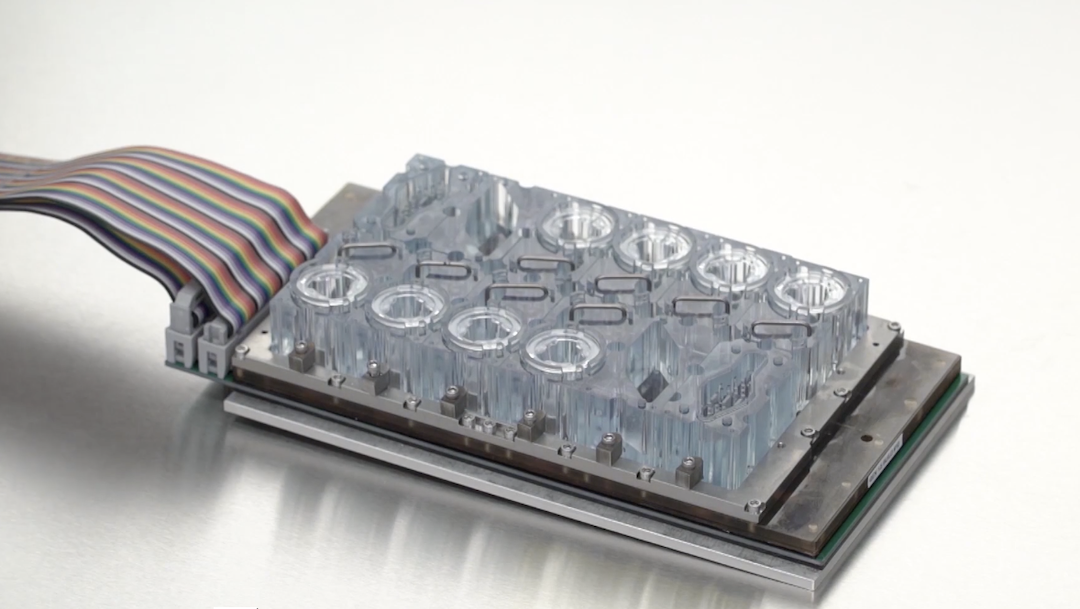
To measure volatile organic compound levels in cabin air, microAnalyzers incorporating Differential Mobility Spectrometry and programmable compact gas chromatography were installed onboard the International Space Station. Enhanced microAnalyzers went into service on ISS in 2013.
Draper delivered fault-tolerant computer design and control software along with guidance, navigation, and targeting software for Commercial Cargo Demonstration to the International Space Station.
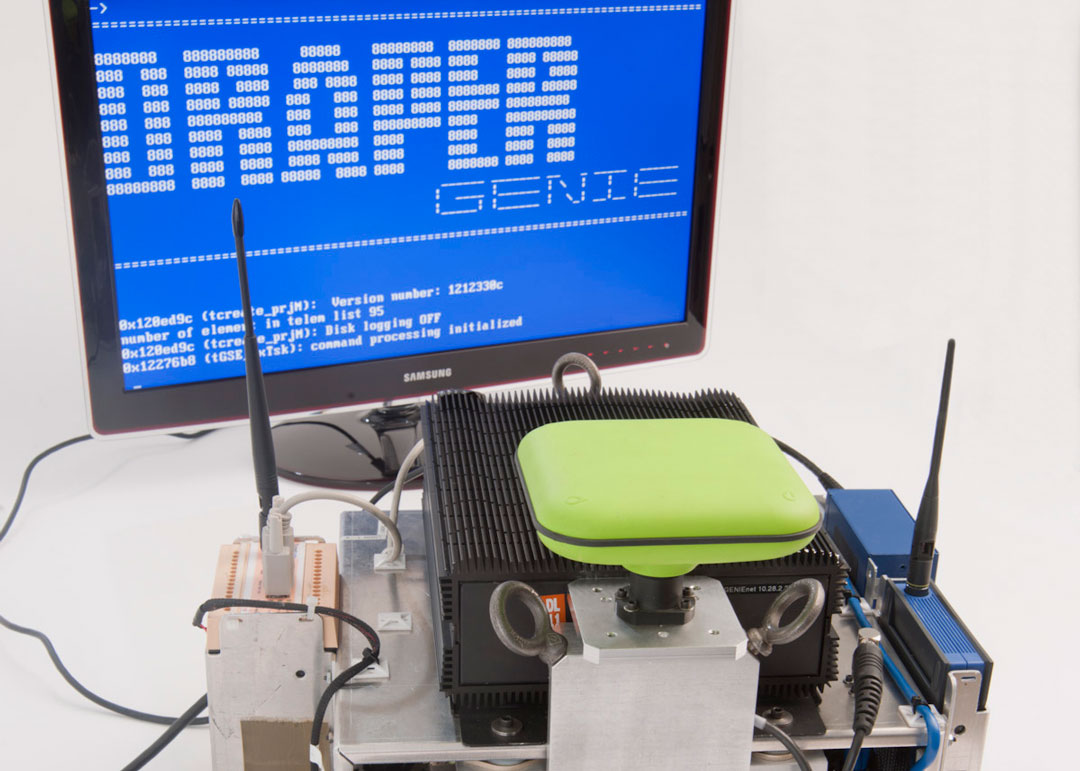
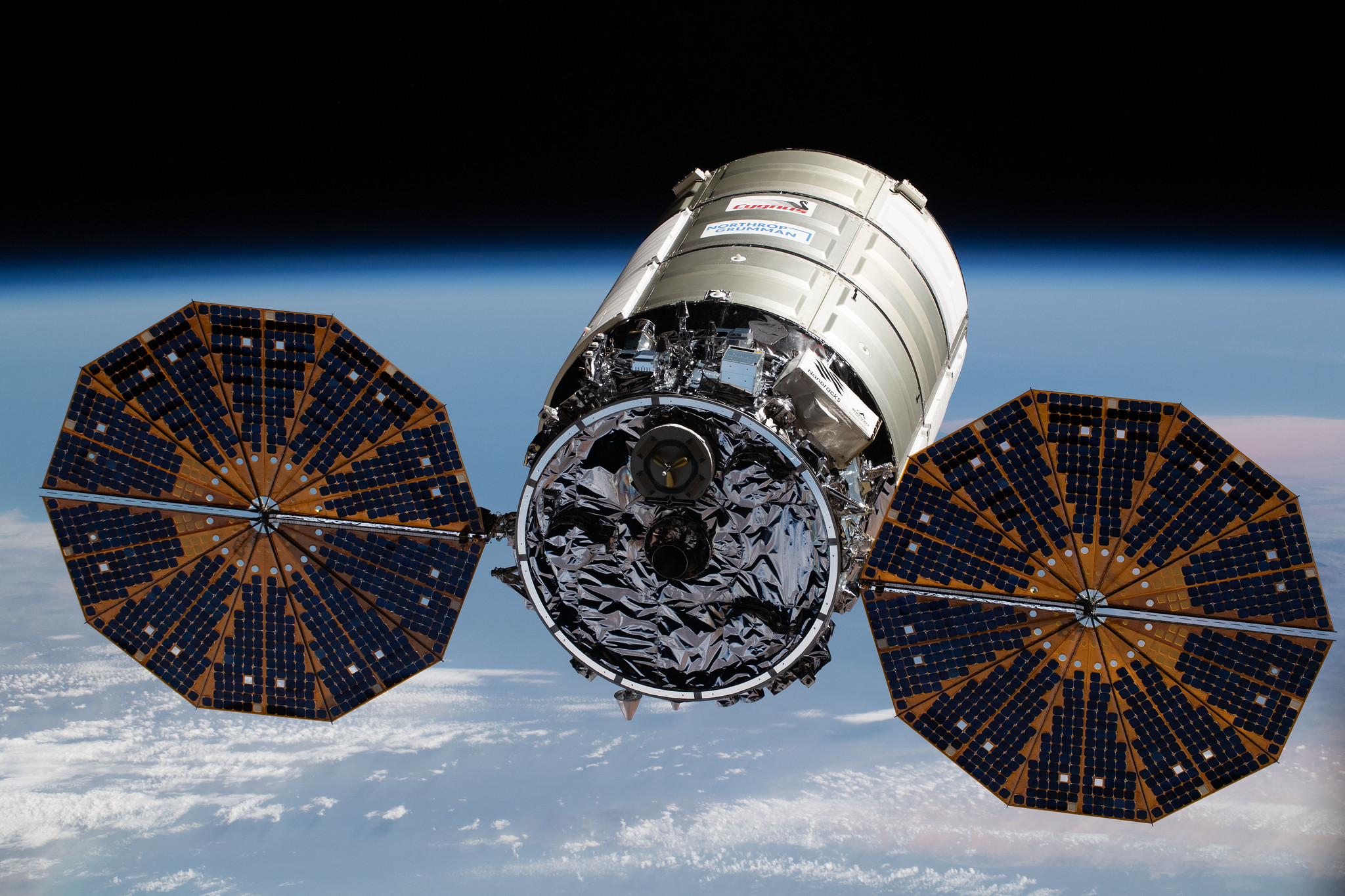
Designed for use when GPS is not available, Draper’s advanced celestial navigation technology was demonstrated on a NASA DC-8 aircraft. It was demonstrated at sea for the first time aboard a ship in 2018.
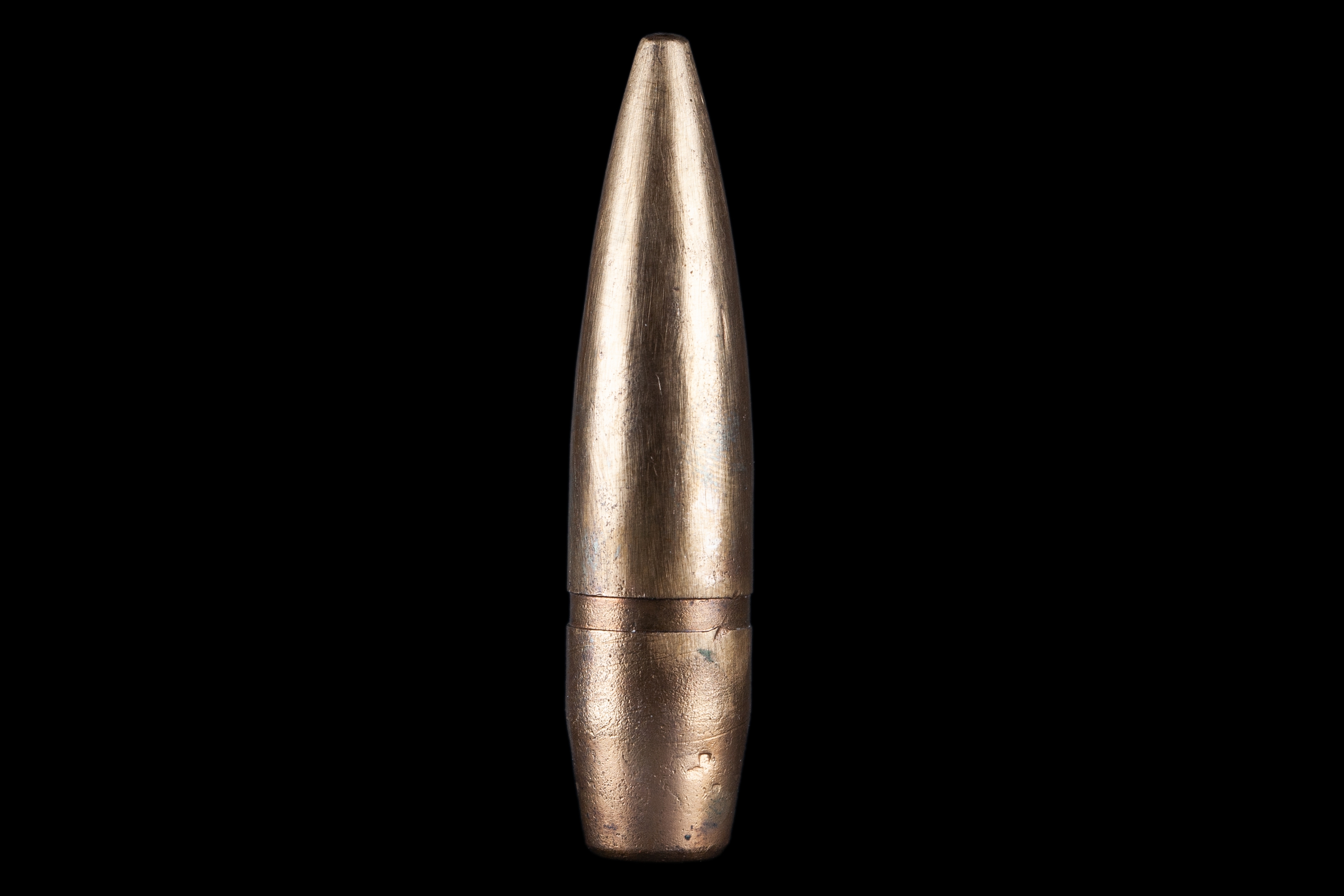
During DoD Conventional Prompt Strike (CPS) Flight Experiment-1, a hypersonic glide body using Draper-designed avionics and flight software navigated precisely to target during its inaugural flight test. This demonstrates an accurate hypersonic long-range precision-strike capability for the first time.
| The Orion Ascent Abort-2 (AA2) flight test of the Launch Abort System was successful. Draper was part of the team that designed, integrated, verified and operated the AA2 guidance, navigation and control system as part of NASA’s Artemis program. |
 |
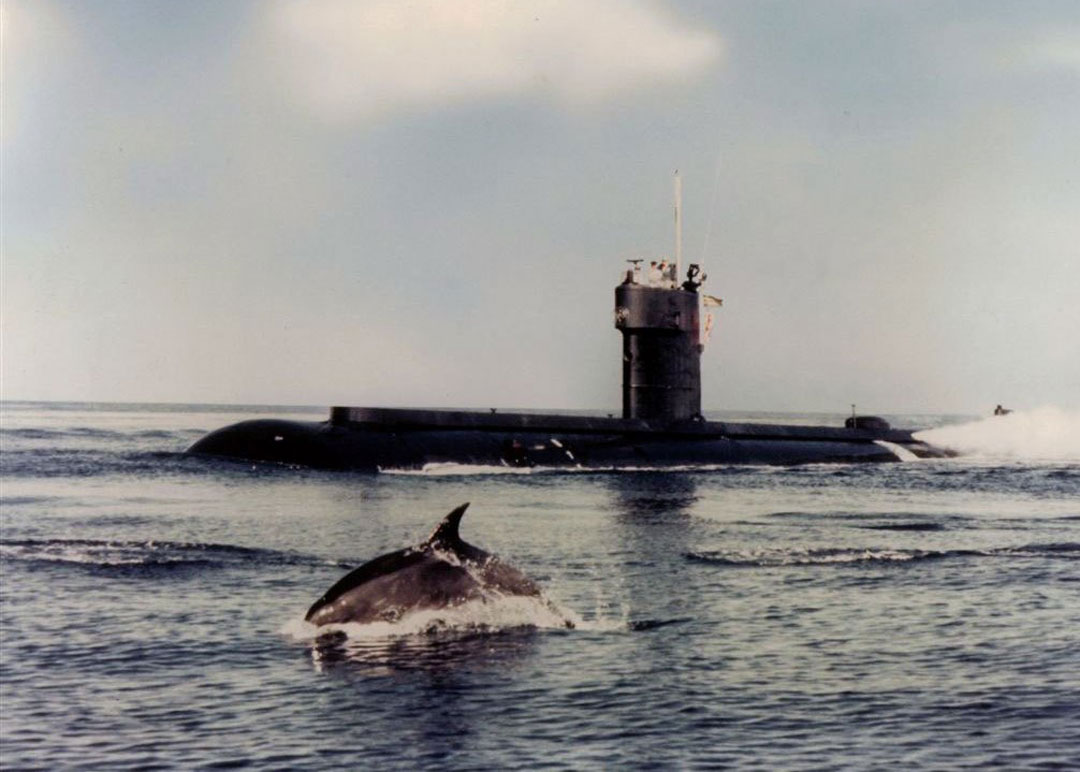
Seawolf submarine ship control Enhanced CPU (ECPU) modules, developed and delivered by Draper, entered service on U.S. Navy submarines. These modules, which replace the original CPU modules in the Draper-supplied 1990s ship control computer, double the fault-tolerant computing capacity to support additional mission capability and software functions.