Why Some Technology Never Gets a Parade
Not every breakthrough arrives with recognition.
Some technologies become visible the moment they launch. Others become part of the systems people rely on every day without ever stopping to ask what makes them work.
That’s where a lot of Draper’s work lives.
For nearly a century, Draper has developed technologies built for environments where performance is expected and failure carries consequences. Skymark and Draper’s airborne Celestial Navigation System help aircraft maintain positioning when GPS is denied or degraded. The Draper Multi-Environment Navigator (DMEN) supports safer, more precise lunar landings through vision-based navigation and hazard detection.
In biotechnology, platforms like PREDICT96 and PREDICT96-ALI help researchers study disease, drug response, and medical countermeasures with greater relevance to human outcomes. LEAP, a pediatric heart valve, is designed to adapt as a child grows with the goal of reducing repeated surgeries and procedures.
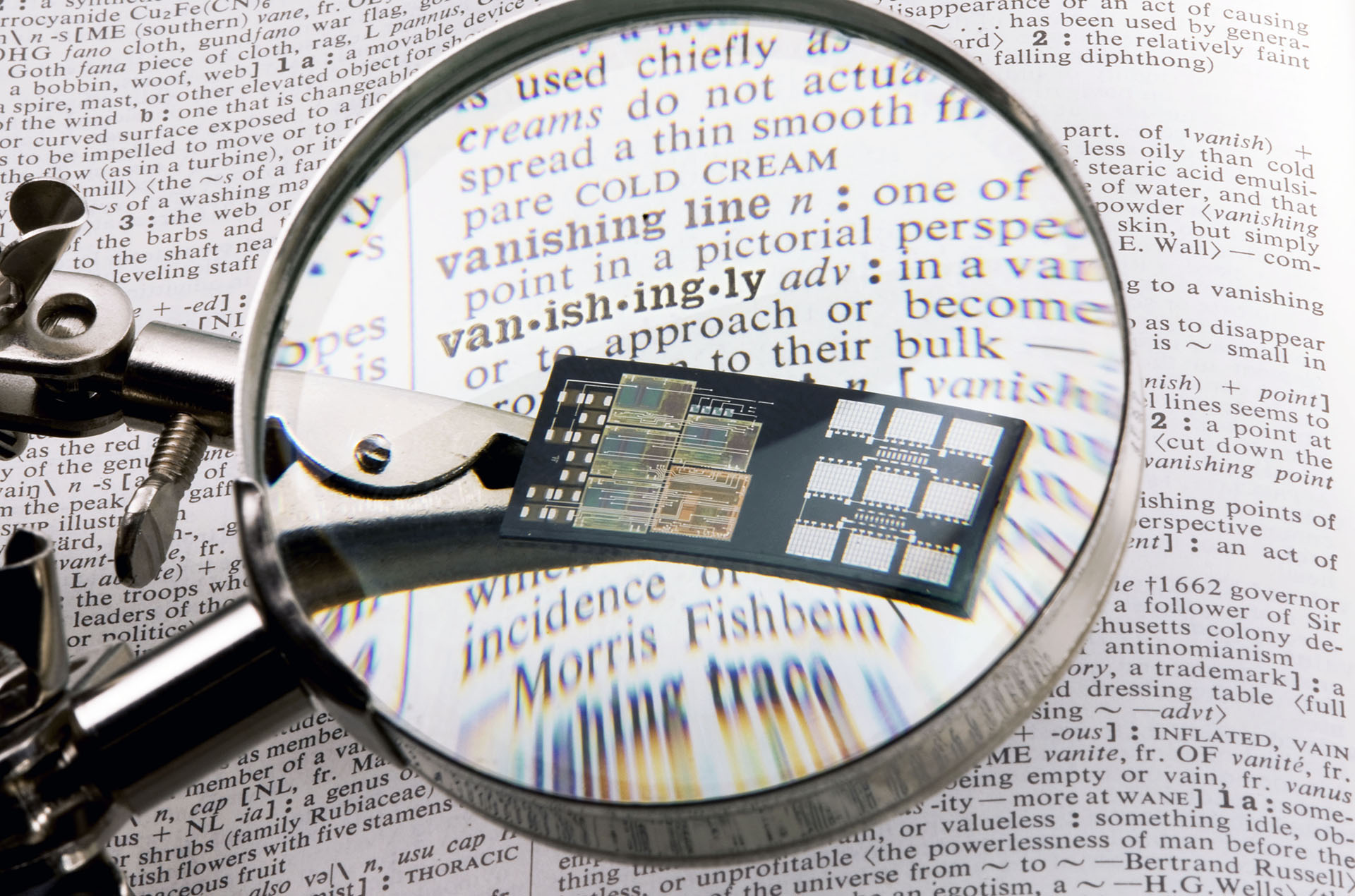
Electronic Systems work carries the same expectation. Three-Dimensional Heterogeneous Integration (3DHI) enables high-performance microelectronics to operate in smaller, mission-focused packages, while SAMWISE helps autonomous platforms navigate in GPS-denied environments where precision matters.
Different technologies. Different mission areas. Same standard behind the work.
An aircraft maintains its position in a GPS-denied environment. A spacecraft navigates toward safer ground. Biological models help researchers understand disease sooner. A medical device reduces the number of procedures a child may need over time.
That work does not happen in controlled conditions forever. It has to perform outside the lab, outside the mockup, and outside the version where everything goes according to plan.
Most people never think about the systems underneath it. They focus on the launch, the operation, the result itself.
That’s the point.
The work is expected to perform the way it was designed to, consistently and without interruption, in environments where there isn’t room for uncertainty.
For a country that often measures progress through milestones and moments, many of the systems that make those moments possible were built long before the spotlight arrived and continue operating long after it moves on.
Across 250 years of American progress, that kind of work has always mattered.
For nearly a century, Draper has been part of it.