NASA's GRITSS Mission Reaches Orbit with Support from Draper
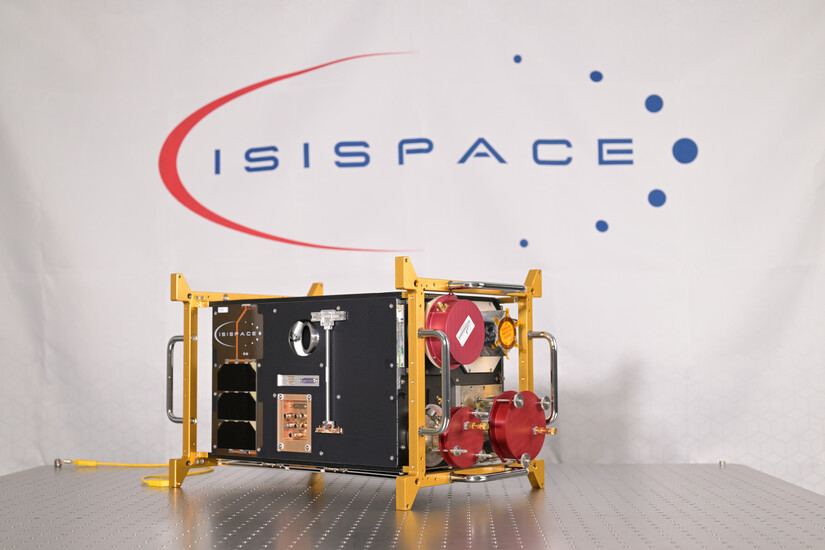
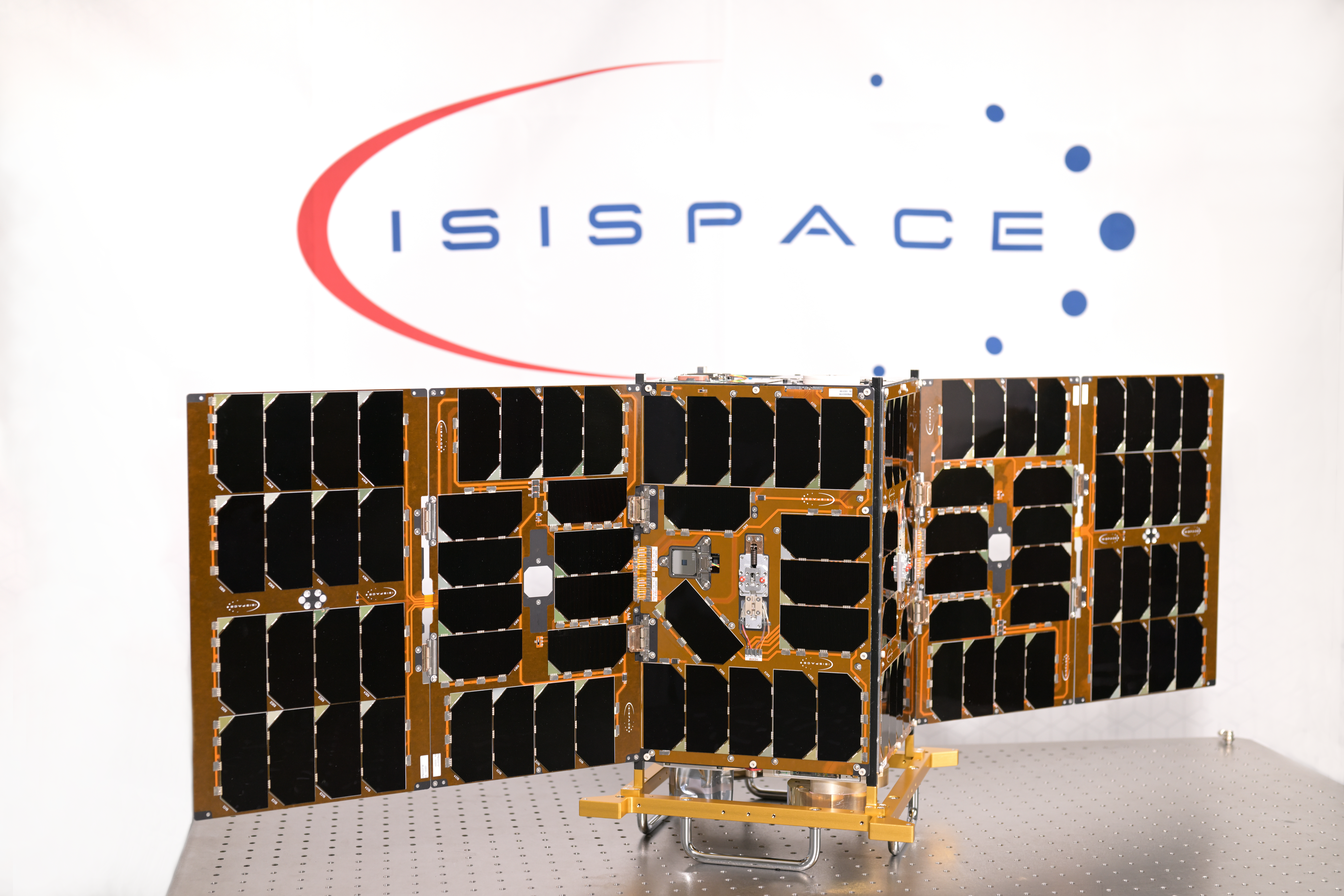
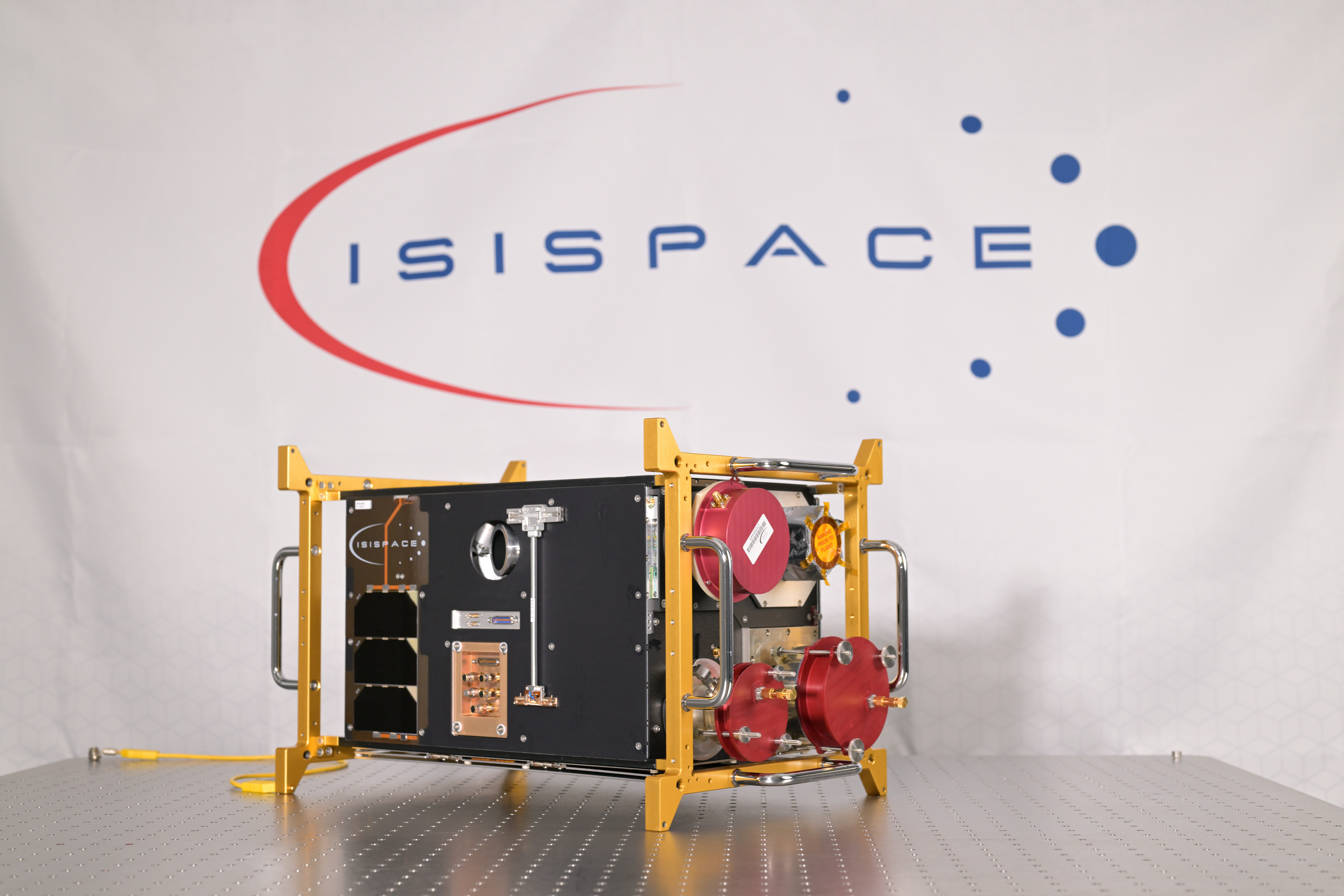
CAMBRIDGE, Mass. – On July 7th, NASA's Geodetic Reference Instrument Transponder for Small Satellites (GRITSS) was successfully placed into low Earth orbit. GRITSS is an innovative CubeSat technology demonstration mission developed to improve the accuracy of Earth's global reference frame. The mission is a collaborative effort between the NASA Goddard Space Flight Center, the University of Massachusetts Lowell, and Dutch small-satellite manufacturer ISISPACE. Draper's Christopher Beaudoin, D.Eng., is one of the principal investigators (PI) for the mission.
Space geodesy and modern positioning, navigation, and timing rely on the International Terrestrial Reference Frame (ITRF). A highly accurate ITRF is essential for tracking millimeter-scale changes in water resources, sea levels, vegetation, ice sheets, and land.
GRITSS seeks to improve the accuracy of Earth’s global reference frame by eliminating measurement inconsistencies between the major space geodesy systems, including Global Navigation Satellite Systems (GNSS), Very Long Baseline Interferometry (VLBI), and Satellite Laser Ranging (SLR). By acting as a common reference point observable by all three systems, GRITSS will serve to improve knowledge of Earth’s orientation and rotation within the greater universe and increase the accuracy and stability of the ITRF.
"GRITSS was conceived to improve our understanding of Earth's coordinate system, the terrestrial reference frame. This frame of reference is critical to precisely determine orbits for active spaceborne missions like GPS," said Beaudoin, principal radio frequency engineer at Draper. "GRITSS will become a tool that spaceborne positioning, navigation, and timing (PNT) missions will indirectly leverage to improve satellite ephemerides within the Earth's terrestrial reference frame."
The GRITSS mission combines a geodetic-quality GPS receiver, precision radio transmitters, and a laser retroreflector in a compact CubeSat platform, demonstrating technologies that will support future Earth science missions and improve our understanding of the planet's changing environment.
Nominal operations for the missions are scheduled to run for at least one full year. Initial data collection passes will focus on broadcasting signals to NASA VLBI stations in the United States with the possibility of expanding to international stations during an extended mission phase.
The NASA grant for GRITSS was originally awarded to principal investigator (PI) Chris Beaudoin at the University of Massachusetts Lowell (UML). When Beaudoin joined Draper as a principal radio frequency engineer, Draper was awarded a subcontract by UML to continue his work on the mission, supporting co-investigator Timothy Cook at UML and Project Scientist Stephen Merkowitz at NASA/GSFC.
Draper’s work on the mission includes providing subject matter expert support for commissioning of the GRITSS payload, VLBI station readiness to observe the GRITSS signals, development of prototype GRITSS-VLBI data processing code, and participation in testing and end-validation of the prototype data processing code.
"This is an exciting project and if it works the way we hope it does, it has the potential to be very impactful for future Earth science missions," said Allison Bauer, GRITSS program manager at Draper. "We are lucky to have Chris with us at Draper and look forward to supporting the mission in orbit."
About Draper
Draper is a non-profit research, development, and manufacturing company that solves some of the nation’s most important challenges. With more than 2,600 employees working in collaboration across 12 locations, Draper delivers transformative, mission-driven solutions that successfully meet our customers’ requirements. These efforts focus on four critical mission areas: Strategic Systems, Space Systems, Electronic Systems, and Biotechnology Systems. To extend our legacy into the future, the Draper Scholars program engages with the next generation of innovators while DraperSPARX™ seeks to partner with startups and small businesses that can further our mission. To learn more about Draper, visit www.draper.com. Follow Draper on Linked In and Instagram.
Released September 8, 2026